
To make sesame oil by oneself, it is necessary to choose high-quality sesame seeds and master key steps such as controlling the heat. The main steps in making sesame oil at home include material selection and processing, frying sesame seeds, grinding and pressing, sedimentation and filtration, and storage and preservation.

1. Material Selection
When making sesame oil, fresh and plump white or black sesame seeds should be selected, and moldy particles and impurities should be removed. Sesame seeds need to be soaked for about 2 hours in advance, drained of water, and laid flat to dry on the surface. Untreated sesame contains a lot of impurities and moisture, which directly affects the oil yield and aroma quality. In traditional crafts, stone grinding is often used, but modern households can replace it with a wall breaking machine.
2. Stir fry sesame seeds
Put the processed sesame seeds into an iron pot and stir fry slowly over low heat, continuously stirring to ensure even heating. Stir fry until the sesame seeds turn golden yellow and emit a strong aroma, then immediately remove from the heat. Over frying can produce a burnt and bitter taste. It is advisable to control the temperature between 160-180 degrees during the frying process, which can be monitored using a food thermometer. Stir fried sesame seeds should be spread out to dissipate heat and avoid further heating due to residual temperature.
3. Grind and press
After cooling, sesame seeds are repeatedly ground into a paste in a grinder. Traditional methods require grinding 3-4 times. The finer the grinding, the higher the oil yield, and the sesame paste should present a flowing sauce like texture. Pour sesame paste into a cheesecloth bag and press it under pressure. The first press can obtain about 40% of the oil content. The remaining sesame residue can be pressed twice with water, but the quality of the secondary oil may decrease.
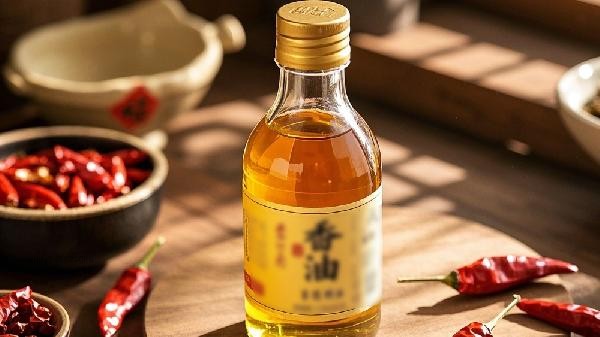
4. The crude oil extracted by sedimentation filtration
needs to be allowed to settle for at least 12 hours to allow impurities to naturally settle. Filter the upper layer of clean oil with multiple layers of gauze or filter paper to remove small particles and suspended solids. The filtered sesame oil appears amber transparent and has a pure sesame aroma. If the oil is cloudy, it can be filtered again, but some nutrients will be lost.
5. Storage and Preservation
Finished sesame oil should be sealed in dark glass bottles to avoid exposure to light and high temperature environments. The shelf life at room temperature is about 6 months. It is recommended to refrigerate and use it as soon as possible after opening. Homemade sesame oil does not contain preservatives and should be stopped immediately if it has a rancid taste or darkens in color. Use a drying tool every time to prevent moisture from entering and causing deterioration.
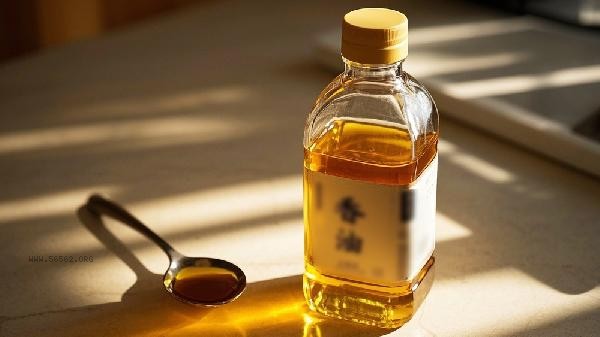
When making homemade sesame oil, special attention should be paid to the freshness of the raw materials and the hygiene of the operation. During the frying process, excessive oil fumes should be avoided to affect the quality. Compared to industrial production, homemade sesame oil retains more natural nutrients from sesame seeds, but has lower oil yield and shelf life. It is recommended to make a small amount each time and pair it with cold dishes or soups. The daily intake should be controlled within 15 milliliters. Regularly check the condition of the oil during storage, and stop consuming it if there is an abnormal odor or an increase in sediment.








Comments (0)
Leave a Comment
No comments yet
Be the first to share your thoughts!