
Rice that is both fragrant and delicious can be achieved through methods such as rice selection, washing, soaking, water control, and controlling the heat. There are key factors such as rice variety selection, washing method, soaking time, water rice ratio, cooking techniques, etc.
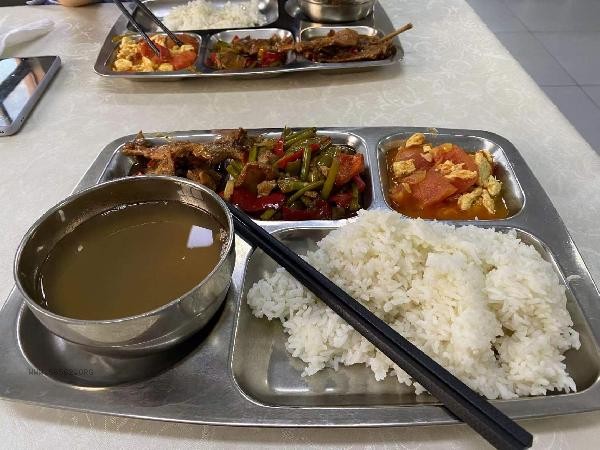
1. Rice Variety Selection
The selection of fresh and high-quality rice is the basis, and there are significant differences in the taste of different varieties of rice. Japonica rice is moderately sticky and suitable for daily cooking, indica rice is clear and suitable for Fried Rice, and glutinous rice is the most sticky and suitable for dessert. New rice has a high moisture content and tastes softer when cooked, while aged rice tends to harden. When purchasing, pay attention to observing whether the rice grains are intact and uniform, and avoid inferior rice with yellow or moldy taste.
2. Washing method
When washing rice, the action should be gentle to avoid excessive scrubbing and nutrient loss. Suggest washing quickly with cold water 2-3 times to remove surface impurities. Water quality can affect the flavor of rice, and if possible, filtered water or mineral water can be used. Some people like to search until the water is clear, but they will lose a lot of B vitamins. Keeping an appropriate amount of rice slurry can make the rice more fragrant.
3. Soaking time
Rice needs to absorb sufficient water in order to be evenly heated. Soak for 20 minutes in summer and extend to 30 minutes in winter. After soaking, the volume of rice will expand, the water absorption will increase, and the cooked rice particles will be plump. But soaking for too long can cause the surface of the rice grains to gelatinize, affecting the taste. Northeast rice and other varieties with higher hardness can be soaked for an appropriate extension of time.

4. Water to rice ratio
For conventional rice cookers, it is recommended to have a water to rice ratio of 1:1.2. New rice can reduce the amount of water, while old rice requires slightly more water. Different cooking utensils need to be adjusted in proportion, with more water needed for cooking in a clay pot and less for a pressure cooker. Finger measurement method is a traditional technique: the water surface is one finger above the meter level. If you prefer a soft and chewy texture, you can add an extra 10% water. If you prefer a granular texture, reduce the water content.
5. Cooking Tips
When cooking rice, first boil it over high heat, then reduce the heat to low and simmer. Finally, turn off the heat and simmer for 10 minutes. Use thick bottomed cookware to heat more evenly and avoid sticking the bottom. Do not frequently open the lid during the cooking process, as steam loss can affect the taste. The traditional firewood stove is more fragrant for cooking because it heats evenly, while modern rice cookers can choose the precision cooking mode to simulate this effect. Adding a few drops of cooking oil or a little salt can enhance the glossiness of rice.

If you want to continue making delicious rice, you also need to pay attention to storage methods. Rice should be sealed and stored in a cool and dry place to avoid moisture and mold. Cooked rice should be consumed in a timely manner, as prolonged insulation can cause water loss and hardening. Do not refrigerate leftover food for more than 24 hours. When reheating, sprinkle a small amount of water to restore the taste. Paired with seasonal fresh vegetables and high-quality protein ingredients, it can enhance nutrition and enhance the aroma of rice. After mastering these techniques, adjusting the details of each step according to personal taste preferences can ensure the stable cooking of ideal rice.








Comments (0)
Leave a Comment
No comments yet
Be the first to share your thoughts!