
The key to making a dense Red bean soup is to select materials, soak time and control the heat. There are mainly methods such as selecting red bean varieties that are easy to sand, fully soaking and softening the bean skin, adjusting the firepower in stages, using acidic ingredients to promote decomposition, and using later crushing to assist in sanding.
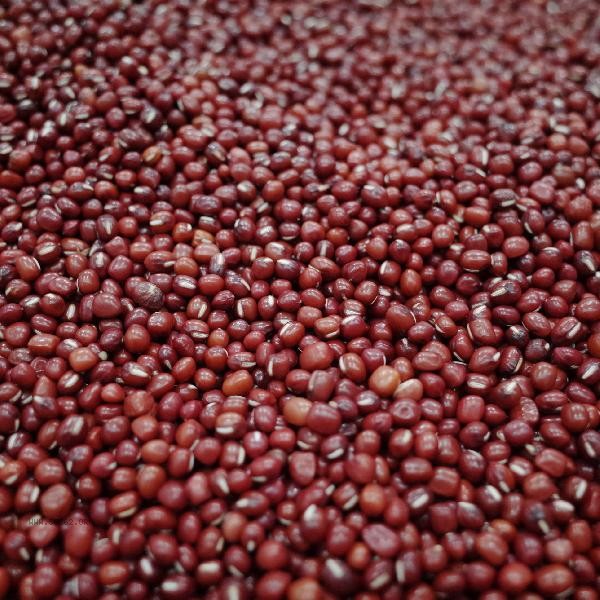
1. Choose easy to sand red beans
Red beans are easier to cook and sand than ordinary red beans, with high starch content and thinner skin. When purchasing, choose new beans with plump granules, as aged red bean fibers are not easily softened due to aging. Large grain adzuki beans produced in Northeast China have a long growth cycle, and their branched starch structure is more likely to disintegrate during stewing, forming a sandy texture.
2. Adequate cold water soaking
Dry beans should be soaked in cold water for at least 6 hours in advance, and the water should completely cover the beans. In winter, it can be extended to 10 hours, and the water should be changed twice to remove astringency. After soaking, the beans expand to twice their size, and it is best to easily pinch open the bean skin with your fingers. When in urgent need, soaking in warm water can shorten the time, but avoid hardening the skin caused by hot water.
3. Control the heat in stages
Boil on high heat, then reduce the heat and simmer slowly for 1 hour, keeping the water surface slightly stirred. After the beans crack, add rock sugar or sliced sugar, and the osmotic pressure of sugar will accelerate the separation of beans and meat. The last 15 minutes can be adjusted to low heat, and the sand level can be checked by gently pressing the beans with a spoon back. Using a clay pot or a thick bottomed pot is more conducive to uniform heat transfer.

4. Add acidic ingredients
Add 1-2 pieces of tangerine peel or a few drops of lemon juice. A weakly acidic environment can break down the cell walls of legumes. The traditional method involves adding a small amount of edible alkali, but it may damage the B vitamins. Suggest using 3-4 fresh hawthorns instead, which not only promotes sanding but also adds fruity aroma. Acidic additives should be added after the beans are half cooked.
5. Post rolling assistance
After turning off the heat, use a wooden spoon to roll the beans while they are still hot, and sieve them to obtain a finer texture. Retaining some intact beans can increase the texture level. If you pursue ultimate smoothness, you can use a blender to stir briefly, but excessive processing can cause starch gelatinization and stickiness. After refrigeration, the texture will naturally thicken, and it needs to be mixed with water when reheating.
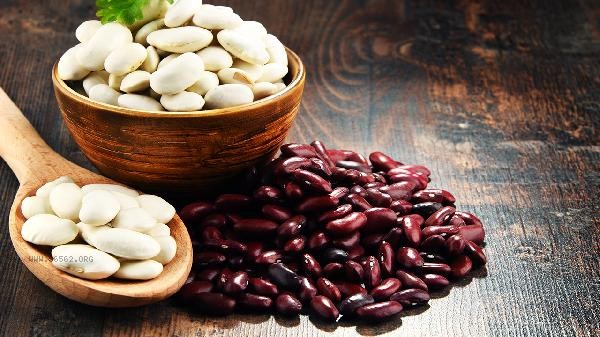
When making, it can be paired with ingredients such as lotus seeds and lilies to enrich nutrition, but it is important to note that lotus seeds need to be cooked separately in advance to soften. People with high blood sugar can use sugar substitutes to adjust sweetness, while those with weak digestive function are recommended to filter out some tofu skins. The fresh boiled Red bean soup can be stored for no more than 3 days in cold storage, and can be stored for 1 month in separate packages. After thawing, it can be boiled again to restore its texture. It is recommended that the daily consumption should not exceed 200g each time, and it is better to eat it with coarse grains Mantou or rice dumpling for nutritional balance.








Comments (0)
Leave a Comment
No comments yet
Be the first to share your thoughts!