
The key to removing astringency in persimmons is to accelerate the decomposition of tannic acid through physical or chemical methods. Common methods include soaking in warm water, sealing with alcohol, mixing fruits, freezing and thawing, and soaking in lime water.
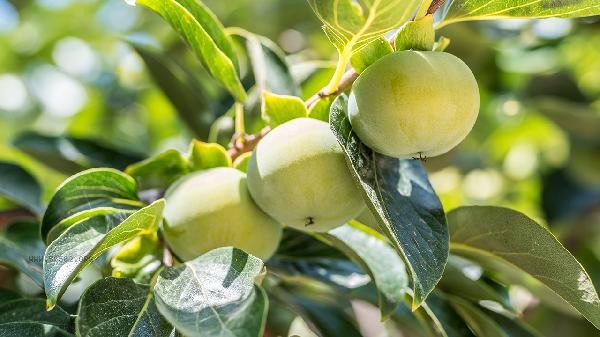
1. Warm water soaking method
Fully immerse the persimmon in 40-50 ℃ warm water and maintain a constant temperature for about 24 hours. High water temperature can easily cause fruit burns, while low water temperature cannot activate enzyme activity. This method promotes the activation of alcohol dehydrogenase inside persimmons through thermal stimulation, converting soluble tannins into insoluble substances. The processed persimmon flesh appears semi transparent and gelatinous, suitable for making crispy persimmons for consumption.
2. Alcohol sealing method
Spray the persimmon surface with high level Baijiu evenly, put it into a sealed bag, and place it at room temperature for 3-5 days. Alcohol vapor can penetrate the fruit peel and induce the production of pyruvate decarboxylase, accelerating tannin polymerization reaction. After this method, the persimmon skin will form a wax layer, and the sweetness of the fruit flesh will be significantly increased. Attention should be paid to insufficient sealing, which may lead to mold growth. Alcohol allergy sufferers should avoid contact.
3. Fruit mixing method
Store persimmons, apples, bananas, and other fruits with high ethylene release in a sealed container. Ethylene, as a plant maturation hormone, can stimulate persimmons to produce hydrolytic enzymes to break down pectin. Usually, it takes 5-7 days to complete the de astringency process, and the fruit will gradually soften and emit a fruity aroma. This method is suitable for batch processing, but it needs to be checked daily to prevent overcooking and rotting.
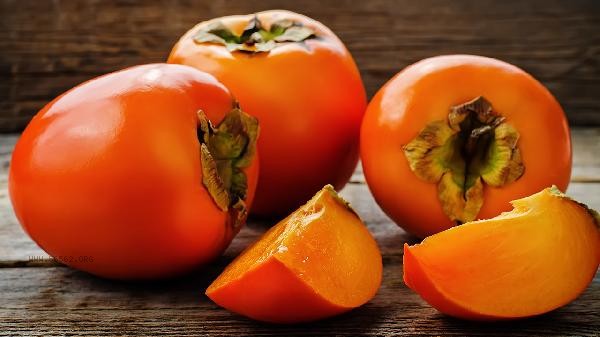
4. Freezing and Thawing Method
Fresh persimmons are naturally thawed after 24 hours of freezing, and cell ice crystals can damage the structure of tannin cells. After thawing, persimmons should be consumed immediately. The flesh presents a delicate and creamy texture, suitable for making persimmon sauce or puree. Low temperature enhances amylase activity and can simultaneously increase sweetness. Be aware that repeated freeze-thaw cycles can lead to nutrient loss.
5. Lime water soaking method
Soak persimmons in 3% quicklime water for 2-3 days, and calcium ions can combine with tannic acid to form a precipitate. The traditional method requires daily water change to maintain an alkaline environment, and after treatment, rinse with clean water for 48 hours to remove residues. This method thoroughly removes astringency and can extend the shelf life, but improper operation may cause skin burns.
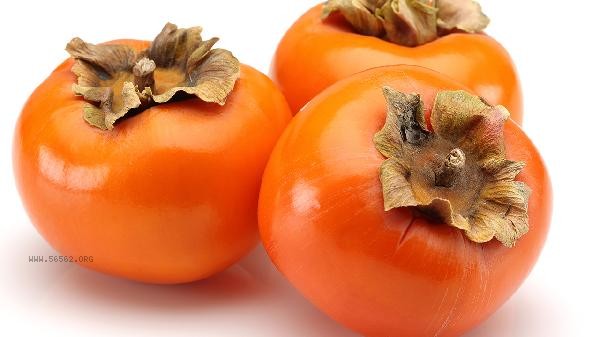
Different varieties of persimmons are suitable for different de astringency methods. For hard meat types, warm water or lime water treatment is suitable, while for soft meat types, fruit mixing is recommended. During the process of de astringency, it is necessary to maintain a clean environment and avoid microbial contamination. It is recommended to refrigerate the processed persimmons and limit their daily consumption to no more than 200 grams. People with weak gastrointestinal function should eat without skin and avoid fasting intake to prevent tannic acid from combining with stomach acid to form hard lumps. Persimmons that have not been completely astringent can be sliced and dried to make persimmon cakes, which can naturally degrade astringent components through long-term drying.








Comments (0)
Leave a Comment
No comments yet
Be the first to share your thoughts!