
Bao chicken soup should be nutritious and delicious, and attention should be paid to the combination of ingredients and stewing techniques. It is recommended to choose old hens with ingredients such as red dates, wolfberries, and yams, and use a low heat slow stewing method.
1. Material selection
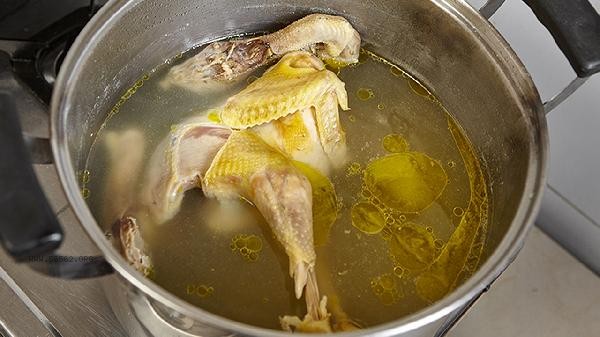
Choose hens that are over one year old, as their meat is firmer and rich in collagen. After slaughter, remove internal organs and excess fat, soak in clean water for half an hour to remove blood. Chicken skin can be retained to increase the thickness of the soup, but it needs to be blanched in boiling water to remove fishy smell. Adding ginger slices and cooking wine during blanching is more effective. Chicken chunks are recommended to be chopped into 5 cm square pieces for easier nutrient release.
2. Ingredient combination
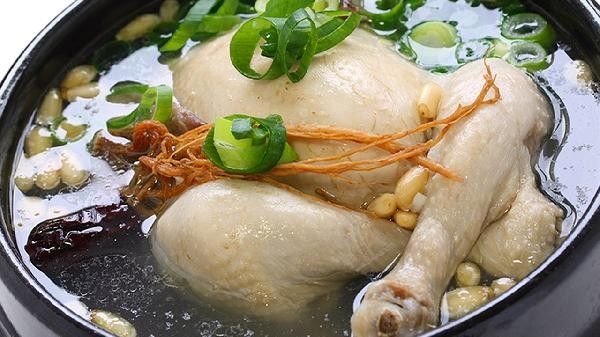
Basic ingredients include 3 slices of ginger and 2 sections of scallion to remove fishy smell and enhance freshness. Recommended nutritional combinations include 5 dried shiitake mushrooms, 200 grams of yam, and 15 grams of goji berries, which can nourish the spleen and kidneys. In winter, 10 grams of Angelica sinensis and 10 grams of Astragalus membranaceus can be added to enhance the nourishing effect. In summer, it is recommended to use 20 grams of Yuzhu and 10 grams of Ophiopogon japonicus to clear and moisturize. Mushroom ingredients need to be soaked in warm water in advance, and root and stem ingredients should be cut into rolling blocks.
3. Heat control
Turn down the heat after boiling in cold water to keep Noodles in soup slightly bubbling. Open the lid and simmer for the first 30 minutes until the fishy smell evaporates, then cover and simmer slowly for at least 2 hours. Using a clay pot can shorten the cooking time by one-third, and it is recommended to choose the old heat soup mode for electric stew pots. Avoid adding water midway, and if necessary, add hot water with a volume that can submerge two fingers of the food.
4. Seasoning timing
Salt should be added 10 minutes before turning off the heat, as too early can cause the meat to turn dry. Mix 500g of chicken with 3g of salt as a reference, and dilute with a small amount of soup before pouring in. Sweet ingredients such as red dates and goji berries can balance saltiness and freshness without the need for additional sugar. Sprinkle a little white pepper powder before serving to enhance the flavor level, and drizzle 5 milliliters of sesame oil to enhance the aroma.
5. Nutrient retention
The stewing time should be controlled within 3 hours, as prolonged cooking can damage the B vitamins. The floating oil on the surface of chicken soup can retain some of it, among which fat soluble vitamins need the help of oil for absorption. Drink soup before eating meat, and dip chicken in soy sauce and garlic sauce to increase protein intake. The remaining chicken soup should be refrigerated for no more than 48 hours and reheated at no more than 80 degrees Celsius.

It is recommended to use it with brown rice or whole wheat Mantou to increase dietary fiber intake and promote nutrition utilization. After meals, moderate consumption of vitamin C-rich fruits such as kiwi and oranges can help with iron absorption. It is advisable to drink 2-3 times a week, and hypertensive patients should reduce the amount of goji berries and red dates in the ingredients. Using organic ingredients can reduce the risk of heavy metal residues, and aluminum utensils should be avoided during the stewing process. During a cold and fever, it is not advisable to drink overly nourishing chicken soup. Instead, a light version of stewed radish can be used.








Comments (0)
Leave a Comment
No comments yet
Be the first to share your thoughts!