
The naturally fermented Stinky tofu can be produced by traditional techniques, and the main steps include soaking soybeans, pulping and boiling, bittern coagulation, cutting fermentation, etc. The flavor formation of Stinky tofu is closely related to the role of microorganisms in the fermentation process, and reasonable control of temperature and humidity is the key.
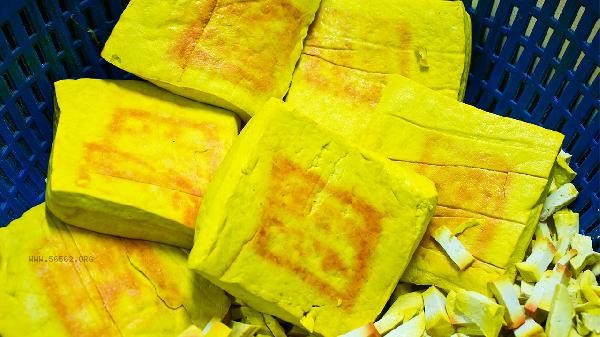
1. Soaking Soybeans
Select soybeans with plump particles and wash them before soaking. The soaking time is about 6-8 hours in summer and extended to 10-12 hours in winter. Soybeans that fully absorb water and expand are easier to grind and have a higher protein dissolution rate. It is recommended to use well water or filtered water for soaking to avoid chlorine in tap water affecting the activity of fermentation bacteria.
II. Pulping and boiling
Grind soaked soybeans and water into raw soybean milk in a ratio of 1:3, filter the bean dregs with gauze, and pour them into a pot to boil. During the boiling process, continuous stirring is required to prevent the bottom from sticking. After boiling, turn to low heat and maintain for 5 minutes to destroy the anti nutritional factors. The cooked soybean milk should be milky yellow, with strong bean flavor and no burnt taste.
III. Spot brine solidification
When the soybean milk is cooled to about 80 ℃, add brine or gypsum water to spot the slurry, and slowly stir while adding it until flocs appear. After standing for 15 minutes, tofu pudding is formed, wrapped and pressed with gauze. The hardness of tofu pudding can affect the later fermentation effect, and it is usually advisable to press it into 3cm thick cubes.
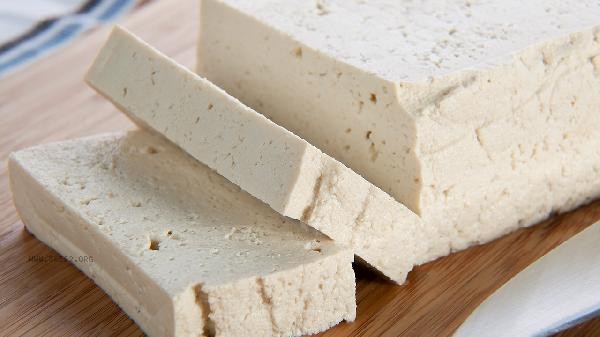
4. Inoculation Fermentation
Place the tofu pudding on a bamboo sieve and naturally inoculate it with environmental microorganisms, maintaining a temperature of 25-30 ℃ and a humidity of about 70%. Traditionally, rice straw or Fermented bean curd soup will be placed in the fermentation room to introduce bacteria. After 2-3 days, white hyphae will appear on the surface and produce a special smell. Excessive fermentation can lead to loose texture, which needs to be observed daily.
V. Post processing
Fermented tofu can be soaked and marinated with seasonings such as tea oil and chili, or directly fried for consumption. If long-term storage is required, Stinky tofu can be put into a sterilized container and sealed with brine for refrigeration. The sulfides produced during the fermentation process are volatile, and it is recommended to operate in a well ventilated environment.
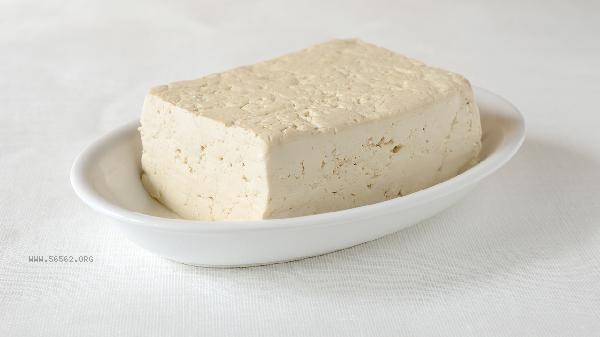
Special attention shall be paid to food safety for self-made Stinky tofu, and fermentation equipment shall be thoroughly sterilized to avoid contamination by miscellaneous bacteria. People with gastrointestinal sensitivity should control their food intake, and hypertensive patients should reduce the use of salt for pickling. Low fermentation temperature can prolong the production cycle, while high temperature can cause spoilage. It is recommended to try making it in spring and autumn. The finished Stinky tofu can be eaten with rice porridge and Mantou. It is rich in plant protein and probiotics, but the special smell may stimulate the respiratory tract. It is recommended to turn on the range hood when cooking.








Comments (0)
Leave a Comment
No comments yet
Be the first to share your thoughts!