
Self made Stinky tofu can be completed by fermenting tofu, mixing brine, frying and other steps. The key links include tofu material selection, brine formula, fermentation temperature control, and control of frying temperature.
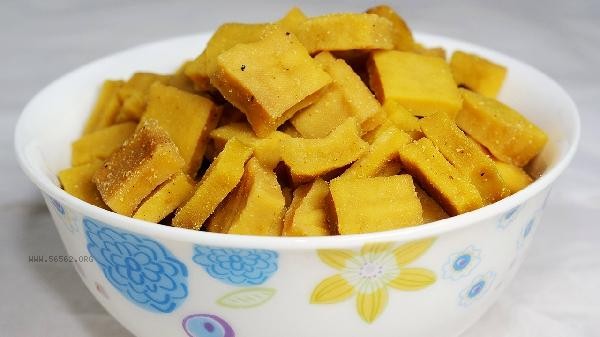
1. Tofu Material Selection
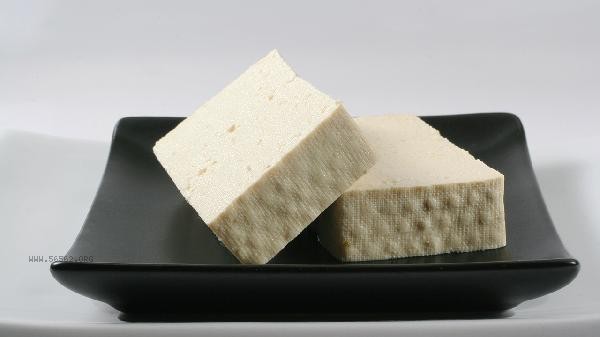
Choose a compact texture of old tofu as the raw material, as freshness directly affects the taste of the finished product. Cut the tofu into cubes about 3 centimeters long and width, with a thickness controlled at around 1 centimeter. Excessive thickness can affect fermentation and penetration. After cutting, it is necessary to use heavy objects to press out excess water, usually for about 2 hours to dehydrate the tofu to two-thirds of its original volume. This step can enhance the toughness of the tofu and avoid frying and cracking.
2. Brine Preparation
Traditional brine is made by natural fermentation of plant materials such as amaranth stems and bamboo shoot shells. The household simple version can be prepared by mixing mushroom stems, fermented black beans, and tea leaves with rice washing water. Seal the raw materials and cold water in a ratio of 1:5 and store them in an environment of 25-30 ℃. Stir daily to promote fermentation. After about 7 days, the brine will turn gray green and emit a special odor before use. The salinity of brine should be close to that of seawater, and a small amount of salt can be added to adjust it.
3. Fermentation Control
The tofu chunks are completely immersed in brine and fermented at an ambient temperature of 20-25 ℃ for 2-3 days. In summer, it should be shortened to 36 hours to avoid excessive acidification, and in winter, it can be extended to 4 days and sealed with plastic wrap. The fermented tofu will have fine pores on its surface, with a milky white translucent center that emits a unique fermented aroma rather than a rancid taste.
4. Frying Techniques
After fermentation, tofu needs to be air dried for surface moisture before frying. When the oil temperature rises to 180 ℃, put it into the pot piece by piece. Do not flip it for the first 10 seconds to prevent damage, and flip it over after forming a golden hard shell. Using rapeseed oil or peanut oil can enhance the aroma, and the frying time should be controlled within 3 minutes. Excessive frying can cause the shell to become too hard. After cooking, poke the hole while it is hot to facilitate the penetration of dipping sauce.
5. Dip with
classic dip consists of garlic puree, chili powder, and coriander powder, which can be added with sapropel milk to enhance the flavor. The improved version can be made with sesame paste and crushed peanuts to create a rich and fragrant taste, or paired with kimchi to relieve greasiness. Dipping materials should be prepared and eaten immediately to avoid water infiltration affecting the crispy taste of Stinky tofu.
Self made Stinky tofu should pay attention to food safety. The fermentation container should be sterilized at high temperature. In case of black spots or rancidity, it should be discarded immediately. It is recommended to make a small amount for the first attempt and check the status daily during fermentation. When consuming, it is recommended to balance nutrition with fresh vegetables and fruits, and individuals with gastrointestinal allergies should control their consumption. Preserved brine can be reused 3-4 times, and adding new ingredients each time can maintain fermentation activity. The old brine that is continuously used has a richer flavor.








Comments (0)
Leave a Comment
No comments yet
Be the first to share your thoughts!