
Sprinkle dry flour or use plastic wrap to separate dumpling wrappers when stacking, which can effectively prevent adhesion. The main methods to prevent dumpling wrappers include controlling the amount of flour used, adjusting humidity, selecting appropriate tools, controlling stacking time, and changing storage methods.
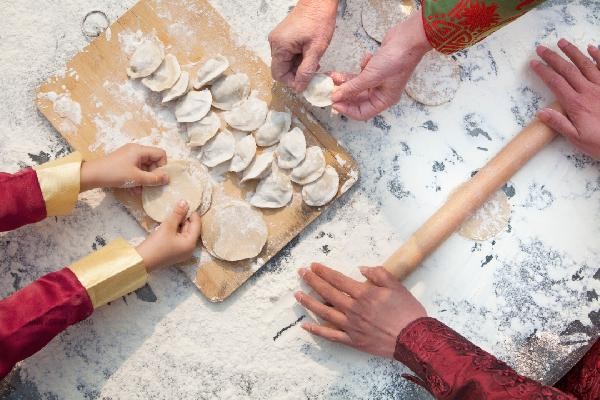
1. Control the dosage
Evenly sprinkle a small amount of dry flour on the surface of each dumpling wrapper to form a barrier layer and reduce direct contact. It is recommended to use high gluten flour for better anti sticking effect, and avoid excessive powder spreading, otherwise it will affect subsequent kneading. During operation, a flour sieve can be used to evenly spread the fabric, with a focus on covering the edges that are prone to sticking.
2. Adjust humidity
High moisture content in dough can easily lead to adhesion, and it is more appropriate to control the water content at around 45% of the flour content when kneading. If the environment is humid, a water absorbing cloth can be laid under the cutting board to reduce local humidity. The rolled leather can be gently pressed with a clean towel to remove surface moisture before stacking.
3. Choose a tool
Using silicone pads or marble cutting boards to roll the skin can reduce the probability of sticking. These materials have smooth surfaces and lower temperatures. Choose a heavier stainless steel material for the rolling pin, and apply even force during rolling to reduce the shrinkage of the dough. Prepare a set of dumpling skin specific partition boards to achieve physical isolation.
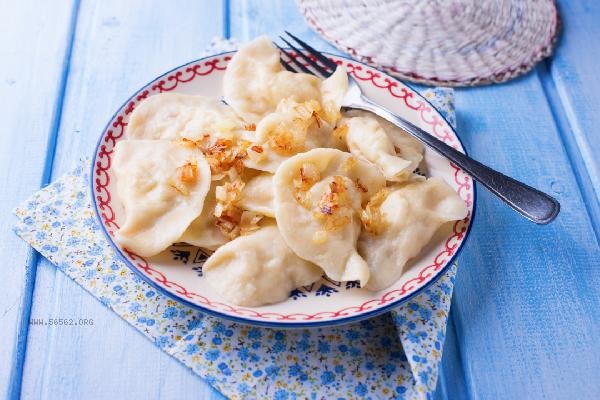
4. Control time
The longer the stacking time, the higher the risk of adhesion. It is recommended to stack no more than 10 sheets each time and use them within 30 minutes. Temporary storage can be covered with a damp cloth to prevent drying and cracking, but the layering should be checked every 15 minutes. It is recommended to roll the skin in batches to maintain freshness during mass production.
5. Change storage
For short-term storage, each layer can be padded with baking paper and then sealed in a bag for refrigeration. For frozen storage, it needs to be separately frozen and shaped before being stored in a centralized manner. Replacing some flour with corn starch has a more long-lasting anti sticking effect, but it will slightly alter the taste. Small amounts of edible oil can be applied as an isolation medium in commercial scenarios. In addition to physical anti sticking methods, choosing medium gluten flour with moderate protein content can balance extensibility and anti sticking. Adding a little salt or egg white when kneading can enhance the gluten network structure and reduce adhesion caused by damage. Maintain a constant temperature of around 20 ℃ in the operating environment to avoid temperature fluctuations causing the dough to regain moisture. Before each use of dumpling wrappers, check the layering status. If slight adhesion is found, sprinkle powder and gently pat to separate. Long term stored dumpling wrappers should be labeled with a date and frozen for no more than one month to ensure food quality. Pay attention to tool cleaning during the production process, as residual residue can exacerbate adhesion.








Comments (0)
Leave a Comment
No comments yet
Be the first to share your thoughts!