
When there is no egg beater, simple cream can be made by shaking the sealed container or manually stirring with a fork. The key to making cream lies in thoroughly mixing air into the liquid through physical means, mainly including simple methods such as whole fat refrigerated milk replacement, electric replacement tools, manual whipping techniques, stabilizer addition, and low-temperature environment assistance.
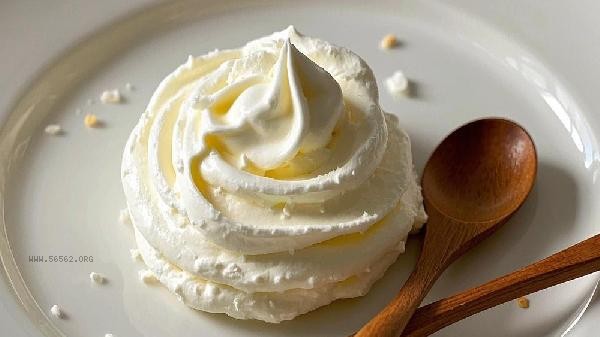
1. Full fat refrigerated milk replacement method
After refrigerating full fat milk for 12 hours, the thick layer of condensed fat on the surface can replace light cream. The milk skin formed by the natural rise of fat after milk is left to settle contains a high content of milk fat. After careful scooping with a spoon, it can be directly used for application or simple seasoning. The cream obtained by this method has a softer texture and is suitable for making fruit dipping sauces or coffee companions that do not require shaping.
2. Electric Replacement Tool Method
Household mixers or food processors can replace professional egg beaters. Pour the refrigerated cream into the container, and use the machine to intermittently stir at low speed to quickly form foam. Pause the observation state every 30 seconds of stirring to avoid excessive whipping and turning into butter. This method requires attention to container sealing to prevent liquid splashing, and is suitable for baking scenarios that require a large amount of cream.
3. Manual Whipping Technique
The combination of a deep mouthed container and a fork can achieve a basic whipping effect. After refrigerating the light cream to 4 ℃, use a fork to quickly swipe in a Z-shape and increase the contact area to accelerate air mixing. During the process, keep the container tilted at a 45 degree angle and place it in an ice water bath every 2 minutes to cool down. This process should last for about 15 minutes to achieve a barely smooth surface hardness.
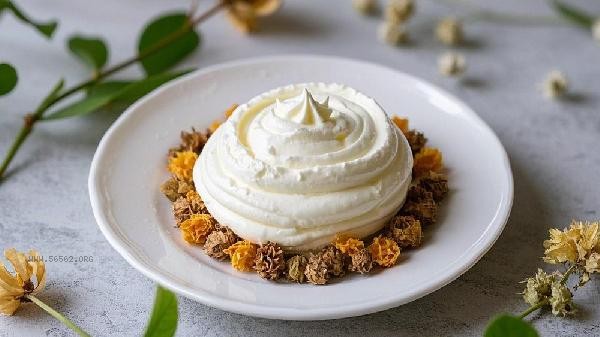
Fourth, adding stabilizer method
Adding an appropriate amount of powdered sugar or corn starch can improve the stability of cream. After mixing 5g sugar powder per 100ml of light cream, it is easier to form a stable foam structure even if it is stirred manually. Sugar can help fix bubbles, while starch increases viscosity. This method of making cream is suitable for decorative purposes that require it to maintain its shape for a long time.
V. Low temperature environment assisted method
Operating in environments below 5 ℃ can significantly improve the efficiency of agitation. Pre refrigerate materials and tools, place ice packs on the workbench to cool down. Low temperature can delay the melting of cream and maintain the bubble structure. This method is particularly suitable for hot climates, and when combined with the shaking method in a sealed jar, fluffy cream can be obtained within 3 minutes.
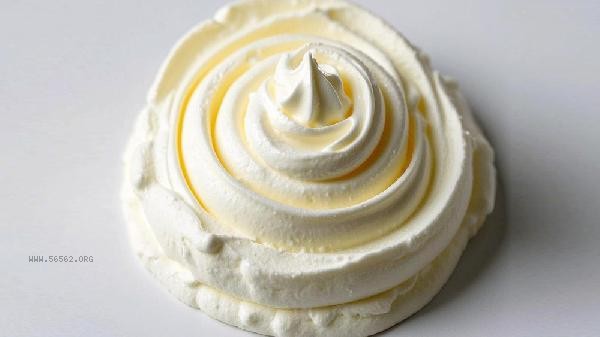
When making cream, it is recommended to choose animal based light cream with a fat content of over 30%. Plant cream containing trans fatty acids is not healthy. All tools must be thoroughly cleaned and disinfected before use to avoid bacterial contamination. The manual whipping process can be divided into sections to avoid arm fatigue, and it is recommended to rest for 5 minutes after completing 100 milliliters of cream. Finished cream should be refrigerated and used within 24 hours. If there is layering or sourness, it should be discarded immediately. For high-end dessert decorations that require shaping, it is recommended to purchase professional tools to ensure the effect.








Comments (0)
Leave a Comment
No comments yet
Be the first to share your thoughts!