
Cream can be made by manual mixing or using alternative tools without the need for an egg beater. The key to butter production is to fully stir the liquid with high fat content until air is mixed to form a stable foam structure. There are mainly methods such as refrigerated standing method, shaking bottle method, fork stirring method, electric substitution method, food processing machine method, etc.
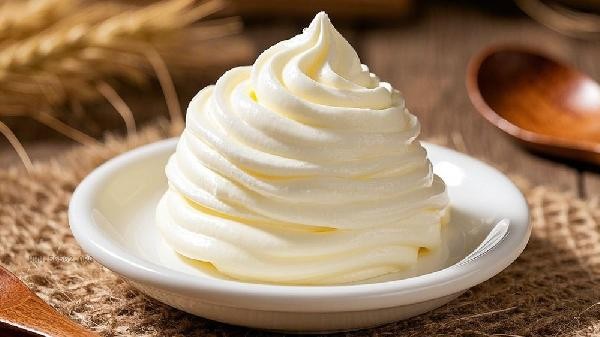
1. Refrigeration static method
Pour whole milk or light cream into a sealed container and refrigerate for more than 12 hours. Fat particles will accumulate on the surface to form a thick milk layer. This method is suitable for making spread cream, but the texture is loose and cannot be used for piping. The refrigeration temperature should be controlled at around 4 degrees Celsius, and dairy products with higher fat content have better effects. Before use, gently scoop out the upper fat layer to avoid mixing with the bottom liquid.
2. Shake Bottle Method
Fill a sealed glass bottle with light cream containing over 35% fat and shake vigorously for 15-20 minutes until the liquid thickens. The recommended capacity for glass bottles is not more than 500 milliliters for sufficient shaking, and ice cubes can be added to maintain a low temperature. The cream produced by this method has poor stability and needs to be used immediately. During the shaking process, the state change can be observed through the bottle wall, and it is completed when obvious patterns appear.
3. Fork Stirring Method
Use a large metal fork to quickly circle and stir light cream in a wide mouthed container for 15-25 minutes to achieve a soft foaming state. Keeping the container tilted at a 45 degree angle during mixing, combined with wrist rotation, can improve efficiency. This method requires strong arm strength, and a short break can be taken midway, but the cream needs to be kept at a low temperature. Suitable for making small amounts of seasoning cream, the finished product has rough bubbles but retains the flavor intact.
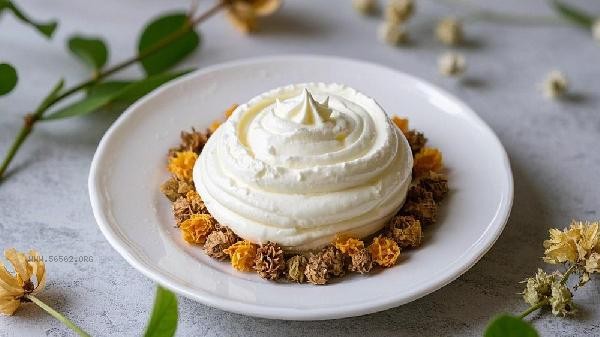
4. Electric substitution method
uses handheld mixing sticks, juicers, or cooking machines and other electrical appliances to replace professional egg beaters. Select pulse mode for intermittent stirring to avoid excessive beating, with each run not exceeding 10 seconds. Metal blade equipment needs to be pre refrigerated, and plastic containers may generate static electricity that affects the stability of cream. This method is highly efficient but requires close observation of the state. Excessive agitation can lead to oil-water separation.
5. Food Processing Machine Method
Large food processing machines equipped with agitator attachments can produce cream in batches, with a speed controlled below 600 revolutions per minute. Pre cool the container and blade to 0 degrees Celsius before processing, and add cream in batches to avoid splashing. This method is suitable for making cream with a volume of 500 milliliters or more, and the finished product has even and delicate bubbles. Please note that the processing time should not exceed 3 minutes, as excessive stirring can produce butter particles. During the production process, all tools and raw materials must be kept at a low temperature, and the recommended ambient temperature is below 20 degrees Celsius. The success rate of using animal based cream with a fat content of over 30% is higher, while plant-based cream is not easy to manually beat. The finished cream should be refrigerated and used within 2 hours. Untreated cream will gradually lose its foam. For dessert making that requires a shaping effect, adding an appropriate amount of powdered sugar or gelatin can increase stability. Although manual cream making is time-consuming, it can better control sweetness and texture, making it suitable for people who are sensitive to additives.








Comments (0)
Leave a Comment
No comments yet
Be the first to share your thoughts!