
Soak the fungus in cold water for 3-4 hours for the best taste, and after fully absorbing water, the texture is flexible and crisp. There are five main methods for foaming: slow soaking in cold water, rapid soaking in warm water, sugar extraction, starch removal, and temperature control preservation.
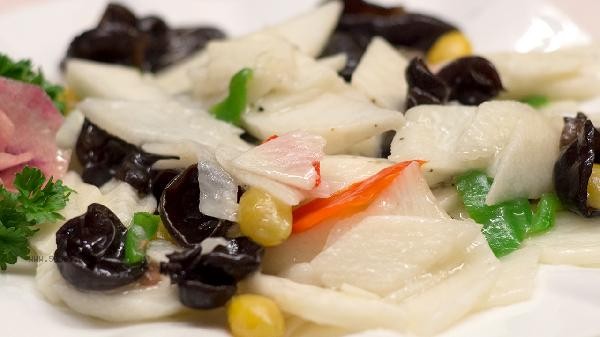
1. Slow soaking in cold water
Soaking in cold water can make the fungus slowly absorb water and expand, while preserving the intact cell structure. Immerse the dried fungus completely in a bowl and let it stand at room temperature for at least 3 hours. During this time, change the water 1-2 times to remove impurities. This method produces thick and juicy black fungus, which is not easily tender during cooking and is suitable for cold mixing or quick stir frying.
2. Rapid soaking in warm water
Warm water at around 40 ℃ can shorten the foaming time to 1 hour, and adding a small amount of salt to the water can accelerate penetration. Please note that the water temperature should not exceed 50 ℃ to avoid damaging the polysaccharides in the fungus. The quick bubbling agaric is suitable for urgent use, but its taste is slightly inferior to that of cold water bubbling. It is recommended to be used for stewing or cooking Congee.
3. Adding sugar for freshness
Dissolve 5 grams of white sugar in 500 milliliters of water and soak it. Sugar can promote the water absorption and expansion of fungus cells, while increasing the sweet flavor. This method is particularly suitable for making desserts or honey soaked black fungus. After soaking, rinse the surface sugar with clean water to avoid burning during cooking.
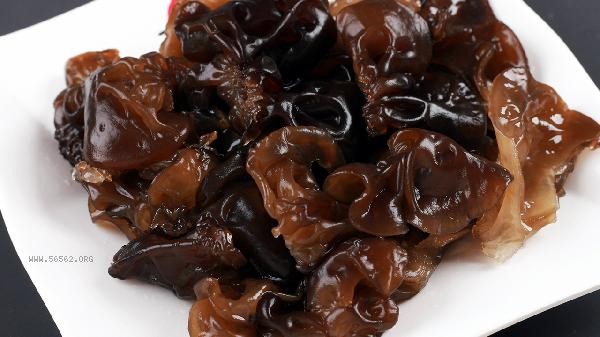
4. Starch desanding
After foaming is completed, add 1 tablespoon of starch and knead it. The starch particles can adsorb the sediment in the folds. After standing for 10 minutes and rinsing, more than 90% of impurities can be removed. This method is particularly effective for wild harvested oak fungus, making the finished product without a gritty texture and enhancing the eating experience.
5. Temperature control and preservation
During high temperatures in summer, the foaming container can be placed in the refrigerator's refrigeration layer. A 4 ℃ environment can inhibit bacterial growth. If the soaked fungus is not to be used temporarily, it should be drained of water and sealed for refrigeration. It should be consumed within 24 hours. Refrigerated fungus should be reheated before cooking to avoid excessive temperature differences that may cause the taste to harden.
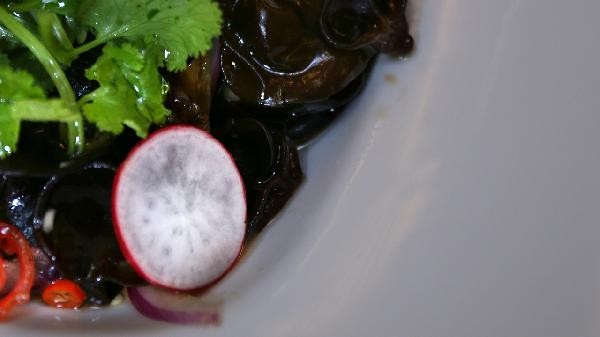
High quality black fungus should choose oak varieties with intact flower shapes and obvious fuzz on the back to avoid purchasing inferior products smoked with sulfur. Regularly changing the water during the foaming process can remove possible residues, and it is best to achieve a volume 8-10 times that of the dry product after swelling. Tear it into a suitable size before cooking, blanch it for 30 seconds to further enhance its crispness. Attention should be paid to those with spleen and stomach deficiency and cold, and excessive consumption is not recommended. Fresh fungus contains photosensitive substance porphyrin, which should be fully cooked before consumption. Dry fungus should be sealed and moisture-proof for daily storage, and kept away from direct sunlight to maintain nutrition for more than 2 years.








Comments (0)
Leave a Comment
No comments yet
Be the first to share your thoughts!