
Poor weight loss results can be improved by adjusting dietary structure, increasing exercise intensity, improving sleep quality, managing stress levels, and identifying potential diseases. Difficulty in losing weight may be related to metabolic abnormalities, hormonal imbalances, dietary misconceptions, lack of exercise, chronic inflammation, and other factors.

1. Adjust dietary structure
Reduce refined carbohydrate intake and replace white rice with whole grains such as brown rice and oats. Increase the intake of high-quality protein and choose low-fat and high protein foods such as chicken breast, fish, and soy products. Daily intake of more than 500 grams of non starch vegetables, such as broccoli and spinach, which are rich in dietary fiber and can prolong satiety. Avoid hidden high sugar foods such as juice and flavored yogurt, and control the intake of nut based high calorie healthy snacks.
2. Increase exercise intensity
Engage in at least 150 minutes of moderate to high-intensity aerobic exercise per week, such as jogging, swimming, skipping rope, etc., with a heart rate of 60% -80% of the maximum heart rate during exercise. Combining resistance training 2-3 times a week, increase muscle mass through movements such as squats and plank supports. Increase non exercise calorie expenditure in daily life, such as standing for work or walking for commuting. Avoid high calorie compensatory eating after exercise and supplement with whey protein to help with muscle repair.
3. Improve sleep quality
Ensure 7-9 hours of deep sleep per day. Lack of sleep can lead to a decrease in leptin and an increase in ghrelin. Avoid using electronic devices 2 hours before bedtime and keep the bedroom completely dark. Establish a fixed schedule, with weekend fluctuations not exceeding 1 hour. Patients with sleep apnea syndrome need timely treatment, as this condition can significantly affect fat metabolism.

4. Managing stress levels
Long term stress can increase cortisol levels and promote visceral fat accumulation. Perform 10-15 minutes of mindfulness meditation or deep breathing exercises daily. Cultivate stress relieving hobbies such as painting and gardening, and engage in social activities no less than twice a week. When experiencing severe anxiety, seek professional psychological counseling to avoid relieving emotional stress through overeating.
5. Investigating potential diseases
hypothyroidism can lead to a 30% -50% decrease in basal metabolic rate, and thyroid stimulating hormone levels need to be checked. Polycystic ovary syndrome patients often have insulin resistance, manifested as increased waist circumference and acne. The centripetal obesity characteristic of Cushing's syndrome is slender limbs and bulging abdomen. Dysbiosis of gut microbiota can be regulated through probiotics and dietary fiber, and certain strains are closely related to weight regulation.
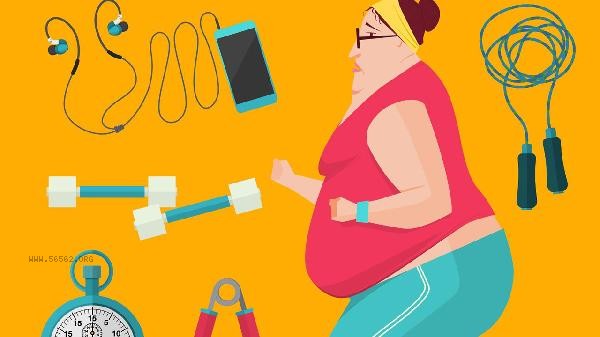
During the weight loss platform period, it is necessary to re evaluate the authenticity and completeness of dietary records and use a food scale for accurate measurement. Avoid extreme dieting that leads to metabolic adaptation, and lose no more than 1 kilogram per week. Regularly conduct body composition testing, focusing on changes in muscle mass and body fat percentage rather than just weight numbers. Women should consider the influence of menstrual cycle on water and sodium retention, and the weight fluctuation before menstruation is normal. If there is no change in weight for 3 months and the method execution deviation is excluded, it is recommended to seek medical attention from the endocrinology department to investigate pathological factors.








Comments (0)
Leave a Comment
No comments yet
Be the first to share your thoughts!