
Losing weight without losing muscle mass can be achieved through adjusting dietary structure, scientific exercise, supplementing protein, controlling calorie deficit, and regular sleep patterns. Muscle loss is often associated with factors such as excessive dieting, lack of strength training, and insufficient protein intake.
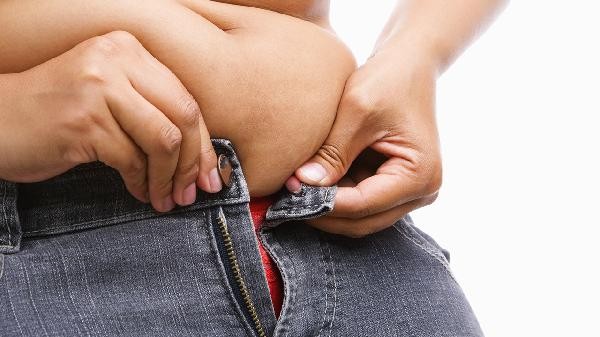
1. Adjust dietary structure
Daily intake of high-quality protein such as chicken breast, eggs, and fish, combined with complex carbohydrates such as oats and brown rice, avoiding refined sugar and fried foods. It is recommended to achieve a protein energy ratio of 25% -30% of total calories, choose low glycemic index foods for carbohydrates, and reduce fat intake by no less than 15% of daily needs.
2. Scientific Exercise
Conduct resistance training 3-4 times a week, using a progressive loading principle, with a focus on training large muscle groups. Cooperate with 2-3 low-intensity aerobic exercises per week, such as brisk walking and swimming, with each session lasting no more than 60 minutes. Timely supplement protein and fast carbon after exercise to help muscle repair.
3. Protein supplementation
In addition to dietary sources, whey protein powder can be used as a supplement, and 20-30 grams should be consumed within 30 minutes after training. Daily intake of protein should be evenly divided into 5-6 meals, with a daily intake of 1.6-2.2 grams per kilogram of body weight. Pay attention to pairing with B vitamins to help with protein metabolism.
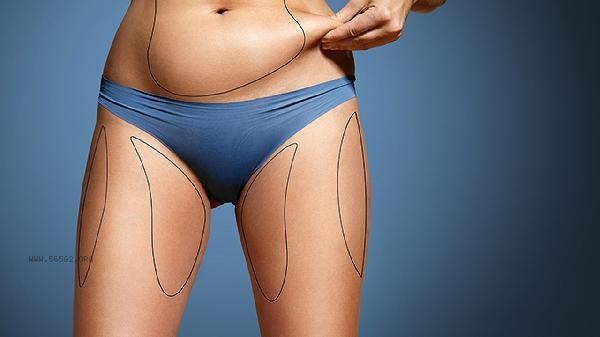
4. Control calorie deficit
Daily calorie deficit should be controlled at 300-500 calories to avoid extreme dieting. Using food weighing and diet recording apps for precise calculation, the monthly weight loss does not exceed 3% of the total weight. Regularly conduct body composition testing and adjust the plan promptly when muscle mass decreases.
5. Regular sleep schedule
Ensure 7-8 hours of high-quality sleep per day, and avoid staying up late during peak growth hormone secretion periods. Arrange sufficient rest after training, with a training interval of at least 48 hours between large muscle groups. Managing stress levels, sustained elevation of cortisol can lead to muscle breakdown. During the implementation of SEP, it is recommended to measure weekly changes in dimensions such as waist circumference and arm circumference, and monitor muscle mass data in conjunction with a body fat scale. When sustained fatigue and decreased strength occur, the plan needs to be reassessed. Professional nutritionists can be consulted to develop personalized plans, and if necessary, blood routine tests can be performed to rule out nutritional deficiencies. Maintain a weight loss rate of 0.5-1 kg per week, as rapid weight loss can lead to muscle loss. Pay attention to warm-up and stretching before and after exercise to prevent sports injuries from affecting training continuity.









Comments (0)
Leave a Comment
No comments yet
Be the first to share your thoughts!