
Thick legs and large buttocks can be reduced and shaped by adjusting diet, increasing exercise, local shaping training, improving lifestyle habits, medical intervention, and other methods. Fat accumulation may be related to factors such as genetics, prolonged sitting, hormone levels, dietary structure, and metabolic abnormalities.
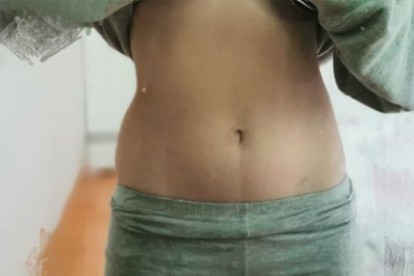
1. Adjust diet
Reduce intake of refined carbohydrates and high-fat foods, and increase the proportion of high-quality protein and dietary fiber. The daily staple food can be replaced with low glycemic index foods such as oats and brown rice, paired with low-fat and high protein ingredients such as chicken breast and broccoli. Avoid fried foods and sugary drinks, and control daily total calorie intake within a reasonable range.
2. Increase Exercise
Engage in 4-5 aerobic exercises per week, such as jogging, swimming, skipping rope, etc., for at least 30 minutes each time. Aerobic exercise can promote whole-body fat burning, and it is recommended to combine intermittent high-intensity training to increase metabolic rate. Warm up and stretch before and after exercise to prevent muscle damage.
3. Localized Shaping Training
Resistance training such as squats, lunges, and hip bridges is performed on the lower limbs and buttocks, 3 times a week, 15-20 times per group. The elastic band can be used to increase resistance, and the fascia can be relaxed with the foam shaft after training. Persisting for 6-8 weeks can improve muscle lines, but attention should be paid to movement standards to avoid compensation.
4. Improve lifestyle habits
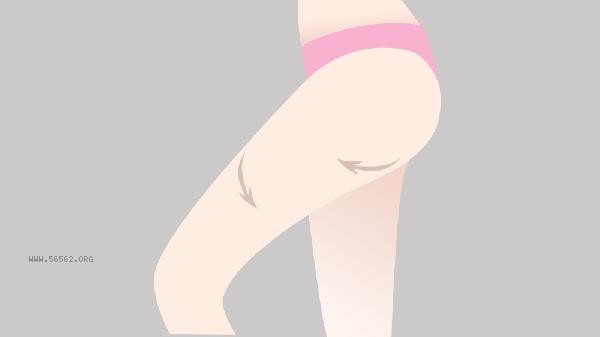
Avoid sitting for more than 1 hour and get up and move for 5 minutes every hour. Ensuring 7-8 hours of sleep and a regular schedule can help regulate leptin levels. Reduce bad postures such as crossing legs and climb stairs instead of elevators in daily life. Long term excessive stress can lead to elevated cortisol levels and affect fat distribution.
5. Medical Intervention
For abnormal fat distribution caused by pathological obesity or hormone abnormalities, it is necessary to seek medical examination for diseases such as polycystic ovary syndrome and hypothyroidism. Doctors may recommend the use of medications such as Orlistat capsules, or medical beauty methods such as cryolipolysis. In extreme cases, liposuction surgery may be considered, but there are risks such as skin laxity.
Weight loss takes 3-6 months to show results, it is recommended to measure circumference weekly instead of frequent weighing. Dietary control should be gradual to avoid metabolic damage caused by extreme dieting. The exercise plan should include rest days, and muscles need to grow during recovery. When experiencing discomfort such as knee joint pain, it is necessary to adjust the training intensity in a timely manner and consult a professional coach or doctor. Maintaining patience and scientific methods is necessary to achieve a healthy and sustainable improvement in body shape.








Comments (0)
Leave a Comment
No comments yet
Be the first to share your thoughts!