
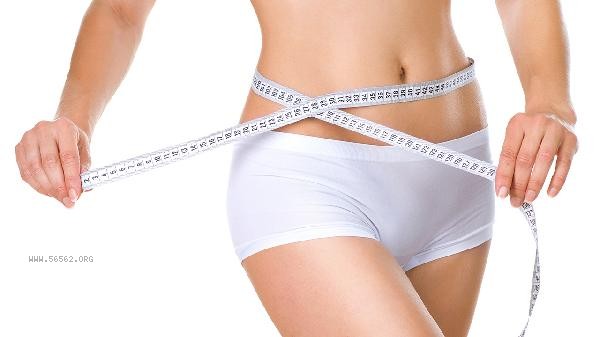
Weight loss with a slim waist, wide hips, and thick legs requires local shaping to address fat accumulation in the lower body, combined with whole-body weight loss and strength training to improve proportions. The main methods include adjusting dietary structure, strengthening lower limb exercise, improving posture, controlling calorie intake, and increasing protein supplementation.
1. Adjust dietary structure
Reduce the intake of refined carbohydrates and high sugar foods, replace some staple foods with coarse grains such as brown rice and oats, and increase the proportion of dark vegetables such as broccoli and spinach. Moderate daily intake of high-quality protein such as chicken breast and fish helps maintain muscle mass. Avoid fried foods and sugary drinks, and use steaming as the main cooking method.
2. Strengthen lower limb exercise
For hip and thigh fat, resistance training such as squats and lunges can be performed 3-4 times a week for 15-20 minutes each time. Cooperate with aerobic exercises such as jogging and swimming, accumulating more than 150 minutes per week. Leg stretching is necessary after exercise to prevent visual thickening caused by muscle tension.
3. Improving body posture
Long term sitting can easily lead to pelvic tilt, exacerbating the visual sensation of wide hips. You can correct your posture through core training such as hip bridge and plank support, and practice for 10-15 minutes every day. Avoid improper sitting posture such as crossing legs, and use lumbar cushions if necessary to maintain the physiological curvature of the lumbar spine.

4. Control calorie intake
Develop a reasonable calorie deficit based on basal metabolic rate, reducing daily intake by 300-500 calories. Adopting a small and frequent meal pattern to avoid overeating. Limit eating after 8pm to reduce the probability of fat accumulation. Record dietary diary to monitor intake.
5. Increase protein supplementation
Daily intake of 1.2-1.5 grams of protein per kilogram of body weight, with priority given to egg whites, low-fat dairy products, etc. Protein can enhance the thermogenic effect of food and help retain lean body mass. Supplement whey protein powder within 30 minutes after exercise to promote muscle repair.

During the weight loss process, it is necessary to maintain a regular daily routine and ensure 7-8 hours of sleep to regulate leptin levels. Avoid excessive dieting that leads to metabolic decline, and lose no more than 5% of body weight per month. It is recommended to measure circumference every week instead of simply focusing on weight, and to monitor changes in fat percentage with a body fat scale. If there is a plateau period, you can adjust your exercise mode or consult a nutritionist. It is not recommended to use weight loss drugs on your own.








Comments (0)
Leave a Comment
No comments yet
Be the first to share your thoughts!