
Using plastic film to wrap the body for weight loss lacks scientific basis and may lead to health risks such as skin infections and dehydration. Weight loss should be achieved through a balanced diet and exercise.
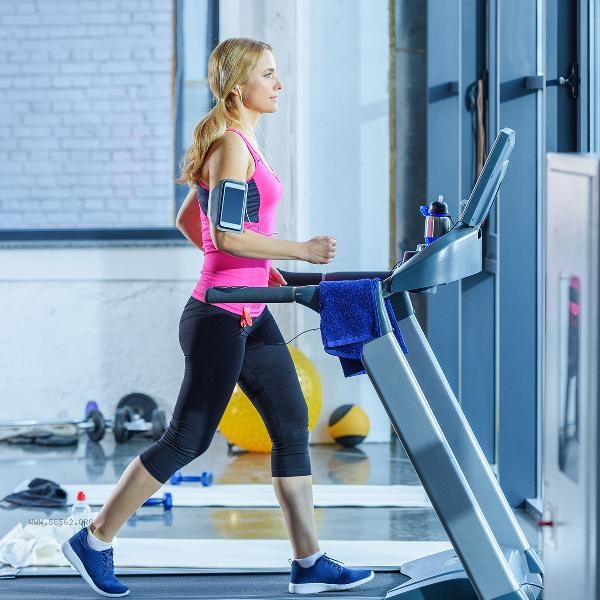
Wrapping the body in plastic film can cause excessive sweating in certain areas, creating the illusion of temporary weight loss, which is essentially the loss of water rather than fat consumption. High temperature and enclosed environments may trigger inflammatory reactions such as eczema and folliculitis, and salt crystals in sweat may also irritate the skin and cause itching. Some people may suffer from dehydration symptoms such as dizziness and fatigue after use, and patients with diabetes are more likely to suffer from electrolyte disorders.

Scientific weight loss requires establishing a daily calorie deficit, and it is recommended to lose no more than 1% of body weight per week. In terms of diet, low calorie and high fiber foods such as broccoli and chicken breast can be added, while reducing the intake of refined carbohydrates. In terms of exercise, aerobic exercises such as brisk walking and swimming can be combined with strength training such as plank support, lasting for more than 30 minutes each time. People with a larger body weight can choose exercise methods such as elliptical machines that have lower joint pressure.
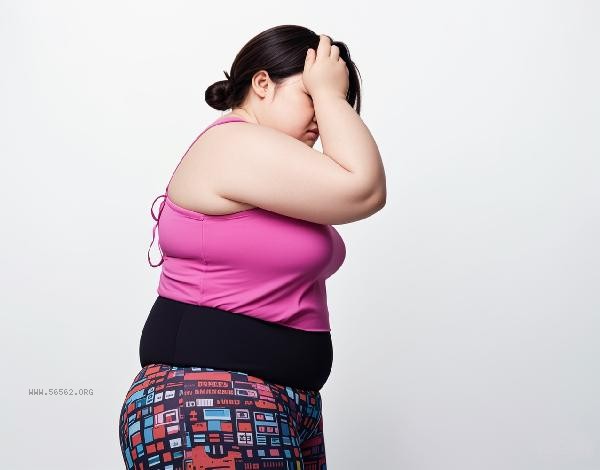
We need to be vigilant about the promotion of rapid weight loss products. Any method that claims to lose weight without exercise or diet is not in line with the metabolic laws of the human body. It is recommended to regularly monitor changes in body fat percentage through a body fat scale, in conjunction with adequate sleep and regular sleep patterns. If there is a plateau period or abnormal weight fluctuations, one should consult a nutritionist or endocrinologist for metabolic assessment to avoid using extreme weight loss methods that can harm health.








Comments (0)
Leave a Comment
No comments yet
Be the first to share your thoughts!