
The firmness and thickness of the calves can be improved by adjusting diet, strengthening exercise, local massage, changing lifestyle habits, medical intervention, and other methods. The development of calf muscles may be related to genetic factors, exercise habits, uneven body fat distribution, lower limb edema, fat accumulation, and other factors.

1. Adjusting diet
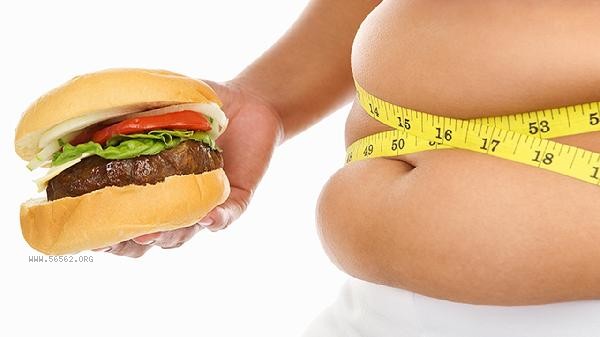
Reducing the intake of high salt and high sugar foods can help alleviate swollen and thick calves. Daily water intake should be controlled at 1500-2000 milliliters. It is recommended to consume more potassium rich foods such as bananas and spinach to help with water metabolism and avoid hidden salt in processed foods. Choose low-fat and high-quality protein such as chicken breast and shrimp, and the cooking method is mainly steaming and boiling.
2. Strengthen Exercise
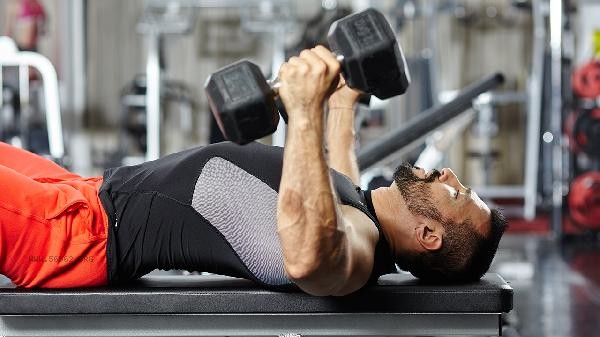
It is recommended to engage in low impact exercises such as swimming and yoga to reduce compensatory hypertrophy of calf muscles, and to do 3-4 30 minute aerobic exercises per week. After exercise, it is necessary to stretch the calf for 15 minutes, with a focus on relaxing the soleus and gastrocnemius muscles. Avoid long-term activities such as tiptoeing or climbing stairs that can easily develop calf muscles.
3. Local massage
Use the foam shaft to relax the calf fascia for 10 minutes every day, and massage from ankle to knee with essential oil. After soaking your feet in warm water, use the base of your palm to press on acupoints such as Chengshan and Weizhong for 5 seconds each time, repeating 10 sets. Massage can be combined with infrared therapy to promote local blood circulation.
4. Change lifestyle habits
Avoid prolonged sitting and standing, move your lower limbs for 5 minutes every hour, and elevate your calves during sleep to promote venous return. Replace loose shoes and socks to avoid pressure, and women should reduce wearing high heels for more than 3 consecutive days. Pay attention to maintaining the correct walking posture in daily life and avoid the wrong way of exerting force by landing on the ground with your toes first.
5. Medical Intervention
For stubborn muscle type calves, botulinum toxin injection can be considered, and minimally invasive treatments such as fiber optic lipolysis can be performed for fat type calves. When pathological factors such as varicose veins exist, lower limb vein ultrasound examination should be performed, and medical elastic socks should be worn if necessary. All medical procedures must be implemented after evaluation by a professional physician.
It is recommended to continuously record changes in calf circumference, measure and take photos for comparison at fixed times every week. Maintain a calorie deficit in diet but avoid excessive dieting to prevent metabolic disorders. A gradual exercise plan is necessary, as sudden increases in intensity may exacerbate muscle congestion. If accompanied by abnormal symptoms such as lower limb pain and skin discoloration, seek medical attention promptly to rule out vascular or neurological disorders. Maintain a positive mindset, as there are individual differences in the distribution of body fat, and healthy symmetry is more important than simply pursuing slimness.








Comments (0)
Leave a Comment
No comments yet
Be the first to share your thoughts!