
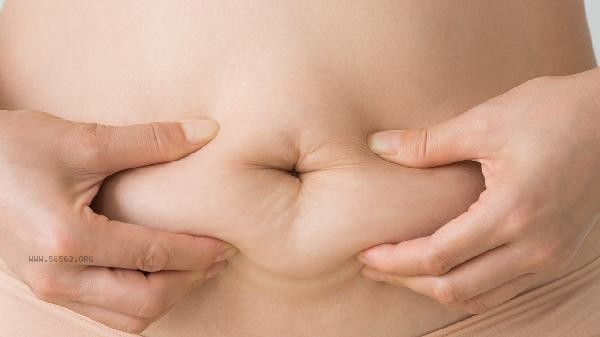
Soft excess fat on the body can be scientifically reduced through diet control, aerobic exercise, strength training, adjusting daily routines, and stress management. Loose excess fat is often related to high body fat percentage and insufficient muscle mass, and needs to be improved synchronously through calorie deficit and muscle stimulation.
1. Dietary control
Reduce the intake of refined carbohydrates and high-fat foods, and increase the proportion of high-quality protein and dietary fiber. The daily staple food can be replaced with low glycemic index foods such as oats and brown rice. Protein options include chicken breast, fish, and soy products, paired with dark vegetables such as broccoli and spinach. Avoid fried foods and sugary drinks, and use low oil cooking methods such as steaming and boiling.
2. Aerobic Exercise
Engage in 4-5 sessions of moderate to low-intensity aerobic exercise for at least 30 minutes per week, such as brisk walking, swimming, cycling, etc. Maintaining heart rate in the range of 60% -70% of maximum heart rate during exercise (maximum heart rate=220- age) helps activate lipolytic enzymes. Warm up and stretch before and after exercise to prevent soft tissue damage.
3. Strength training
Resistance training three times a week can enhance muscle tone and improve loose fat. Focus on training large muscle groups such as squats to exercise the lower limbs, plank support to strengthen the core, and push ups to shape the upper limbs. Use the small weight multi group mode, with 12-15 times per group and no more than 60 seconds of rest between groups. An increase in muscle mass can enhance basal metabolic rate.

4. Schedule Adjustment
Ensure 7-8 hours of high-quality sleep per day and avoid staying up late which can lead to elevated cortisol levels. Establish a fixed schedule and stay away from electronic devices one hour before bedtime. Lack of sleep can disrupt the secretion of leptin and ghrelin, increase the risk of fat accumulation, and particularly affect abdominal fat metabolism.
5. Stress Management
Relieves stress and avoids emotional eating through meditation, deep breathing, and other methods. Long term stress can lead to visceral fat accumulation, and it is recommended to practice mindfulness for 10 minutes every day. Can record dietary and emotional diaries to identify eating impulses in non hungry states.
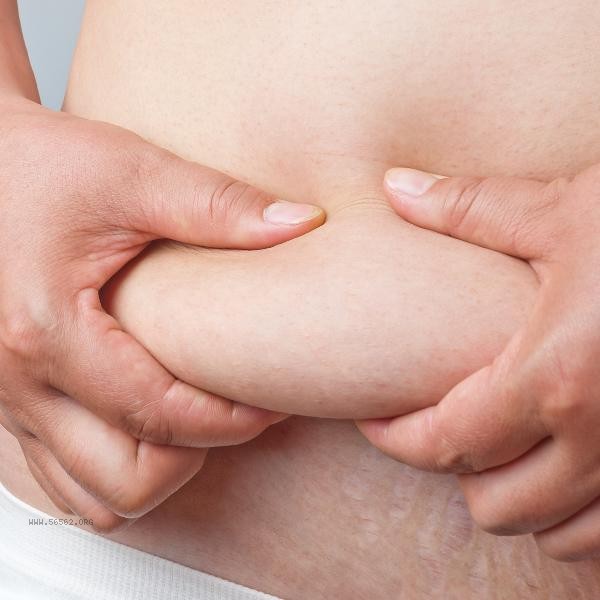
It is recommended to measure body circumference changes once a week during weight loss to avoid excessive attention to weight fluctuations. Maintain a daily water intake of at least 2000 milliliters and use healthy oils such as olive oil for cooking. If accompanied by abnormal blood sugar or thyroid function problems, a plan should be developed under the guidance of a doctor. After successful weight loss, maintain a healthy diet and exercise habits to prevent rebound.








Comments (0)
Leave a Comment
No comments yet
Be the first to share your thoughts!