
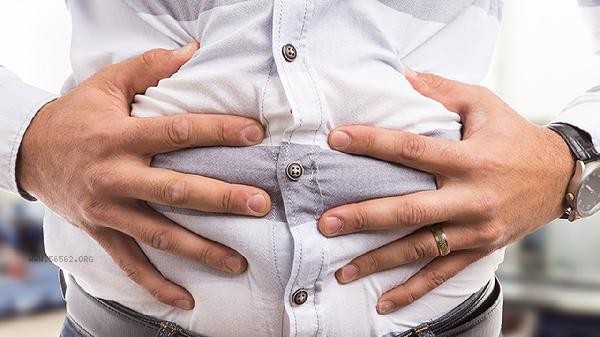
A thick waist and large buttocks can be reduced in weight and shape through dietary adjustments, aerobic exercise, strength training, lifestyle improvement, medical intervention, and other methods. This type of body shape is often related to visceral fat accumulation, pelvic structure, or hormone levels, and requires targeted reduction of waist hip fat ratio.

1. Dietary Adjustment
Control daily total calorie intake, reduce refined carbohydrates and high sugar foods, and increase high-quality protein and dietary fiber intake. It is recommended to choose low glycemic index foods such as broccoli, chicken breast, oats, etc., and avoid fried foods and sugary drinks. Maintain a daily water intake of 1500-2000 milliliters and drink in small portions to aid metabolism.
2. Aerobic Exercise
Engage in 4-5 sessions per week of moderate to low-intensity aerobic exercise lasting more than 30 minutes, such as jogging, swimming, or elliptical machine training. This type of exercise can effectively burn fat in the waist, abdomen, and buttocks. It is recommended to exercise in the afternoon or evening, when the body's core temperature is higher and fat metabolism efficiency is better.
3. Strength training
focuses on resistance training for the waist and hips, with compound movements such as deep squats, hard pulls, and hip bridges performed three times a week, combined with flat support to exercise the core muscle group. Strength training can increase muscle mass and improve basal metabolic rate, with long-term effects superior to simple aerobic exercise. Timely supplementation of protein after training helps with muscle repair.
4. Improvement of lifestyle habits
Avoid sitting for more than 1 hour and get up and move for 5 minutes every hour. Ensure 7-8 hours of high-quality sleep, as insufficient sleep can lead to elevated cortisol levels and promote abdominal fat accumulation. To manage stress levels, stress eating can be alleviated through meditation, deep breathing, and other methods.
5. Medical Intervention
For stubborn accumulation of waist and hip fat, consult a doctor to assess whether medical intervention is necessary. Common methods include non-invasive treatments such as cryolipolysis and radiofrequency skin tightening, and severe obesity may require metabolic surgery. All medical procedures must be professionally evaluated before implementation, and medication for weight loss should not be attempted on one's own. During the process of weight loss, waist and hip circumference should be measured regularly. The ideal waist to hip ratio should be below 0.85 for women and below 0.9 for men. To avoid rapid weight loss causing skin sagging, it is advisable to lose 0.5-1 kilogram per week. Maintain a balanced diet and regular exercise habits in the long term to prevent rebound. If accompanied by menstrual disorders or hirsutism symptoms, it is recommended that the endocrinology department screen for diseases such as polycystic ovary syndrome.









Comments (0)
Leave a Comment
No comments yet
Be the first to share your thoughts!