
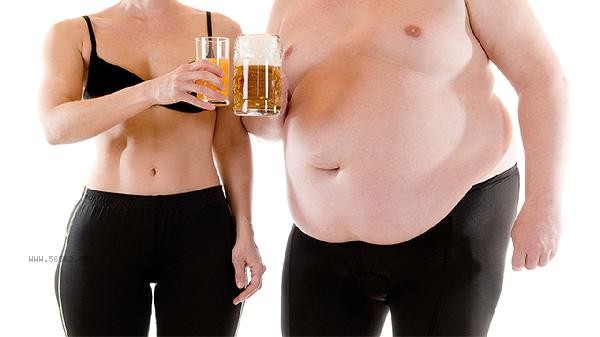
Upper body obesity and lower body thinness can be improved by adjusting dietary structure, strengthening local exercise, improving lifestyle habits, controlling calorie intake, and targeted strength training. This type of body shape may be related to factors such as hormone levels, preference for fat distribution, and differences in muscle mass.
1. Adjust dietary structure
Reduce intake of refined carbohydrates and high-fat foods, and increase the proportion of high-quality protein and dietary fiber. It is recommended to choose low glycemic index foods such as chicken breast, broccoli, oats, etc., and avoid fried foods and sugary drinks. Three meals a day are scheduled and quantified, and reducing the main food intake appropriately for dinner can help regulate insulin sensitivity and reduce upper body fat accumulation.
2. Strengthen local exercise
Conduct resistance training for key areas of the upper body such as the shoulders, back, waist, and abdomen. Recommended exercises include dumbbell side lifts, push ups, and plank supports, 3-4 times a week for 20-30 minutes each time. Cooperate with aerobic exercises such as brisk walking and swimming to promote whole-body fat metabolism. Stretch promptly after exercise to avoid muscle tension.
3. Improve lifestyle habits
Ensure 7-8 hours of high-quality sleep per day and avoid staying up late which can lead to elevated cortisol levels. Maintain correct sitting posture during work and get up and move around every hour. Reducing stress accumulation can be achieved by regulating autonomic nervous system function through meditation, deep breathing, and other methods to improve central obesity caused by hormonal imbalances.
4. Control calorie intake
Use a food scale to record daily diet and maintain a calorie gap of 300-500 calories. To avoid muscle loss caused by extreme dieting, the protein intake should reach 1.2-1.5 grams per kilogram of body weight. Use steaming and boiling methods for cooking, limit the use of sauces, and pay attention to hiding the intake of calories such as nuts and fruits.
5. Targeted strength training
Balance the muscle mass of the upper and lower limbs through equipment training. The lower limbs can perform compound movements such as squats and lunges, while the upper limbs focus on small weight and multiple training sessions. It is recommended to consult a professional coach to develop a personalized plan to avoid compensation or injury caused by incorrect movements. supplementing whey protein after training helps with muscle repair.
This type of body shape improvement requires continuous intervention for 3-6 months, and it is recommended to measure changes in waist hip ratio and body fat percentage every week. To avoid rapid weight loss and skin sagging, it can be combined with essential oil massage to promote blood circulation. If accompanied by symptoms such as menstrual disorders and hirsutism, it is necessary to screen for endocrine disorders such as polycystic ovary syndrome. Developing the habit of recording diet and exercise and gradually establishing a healthy lifestyle is more important than short-term weight loss.








Comments (0)
Leave a Comment
No comments yet
Be the first to share your thoughts!