
People with larger stomach capacity can scientifically lose weight by adjusting their diet structure, controlling their eating speed, increasing dietary fiber intake, regular exercise, and medical intervention. Gastric capacity expansion may be related to habits such as long-term overeating and eating too fast, as well as genetic factors or stomach diseases.

1. Adjust dietary structure
Adopt a small and frequent meal mode, 5-6 meals per day, with each meal controlled at a capacity of 200-300 milliliters. Prioritize low-energy density foods such as broccoli, konjac, winter melon, etc., as their high water content and dietary fiber can increase satiety. Avoid refined carbohydrates and fried foods, replace white rice with brown rice, and use steaming instead of frying. Choosing high-quality proteins such as chicken breast and shrimp can help maintain muscle mass.
2. Control eating speed
Chew each bite of food 20-30 times and extend the meal time to over 20 minutes. Use small utensils to hold food and avoid overeating caused by visual stimulation. Drinking 200ml of warm water or clear soup before meals can temporarily fill some stomach capacity. Avoid distracting behaviors such as watching TV or playing with your phone while eating, and focus on feeling satiety signals.
3. Increase dietary fiber
Take 25-30g dietary fiber every day. The soluble dietary fiber such as oatmeal bran and Kia seed is preferred. It can form gel like substance to delay gastric emptying when swelling in water. Fresh vegetables and fruits should account for half of the daily diet, and it is recommended to consume fruits with skin such as apples and pears. Moderate supplementation of prebiotics such as inulin and oligofructose can improve the balance of gut microbiota.
4. Regular Exercise
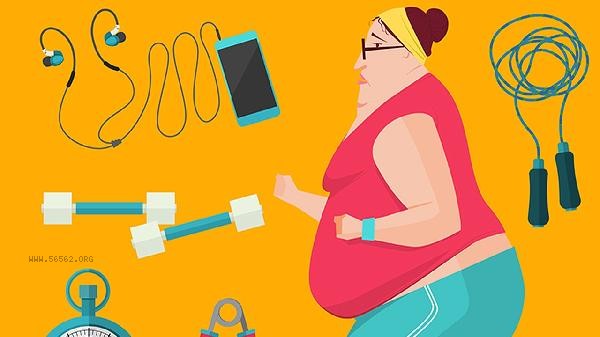
Doing 150 minutes of moderate intensity aerobic exercise per week, such as brisk walking, swimming, etc., can help reduce the dilated stomach capacity. Combining resistance training 2-3 times a week, focus on exercising the core muscle group and enhancing the wrapping effect of the transverse abdominal muscles on the stomach. Avoid lying flat immediately after meals, and it is recommended to maintain an upright position for at least 30 minutes after eating.
5. Medical Intervention
For patients with pathological gastric dilatation, Orlistat capsules can be used as prescribed to inhibit fat absorption, or Liraglutide injection can be used to regulate the appetite center. After evaluation, serious cases may consider gastric balloon implantation or sleeve gastrectomy. Patients with gastric ptosis need to cooperate with abdominal support, and when combined with reflux esophagitis, rabeprazole sodium enteric coated tablets can be used to control gastric acid secretion. Establishing a regular biological clock and ensuring 7-8 hours of sleep per day helps with leptin secretion. Record dietary diary to monitor intake, and measure waist circumference and weight at fixed times every week. To avoid extreme dieting leading to a rebound increase in stomach capacity, it is advisable to control the weight loss rate at 2-4 kilograms per month. When symptoms such as persistent early satiety and vomiting occur, timely gastroscopy should be performed to rule out organic diseases.








Comments (0)
Leave a Comment
No comments yet
Be the first to share your thoughts!