
During the postpartum period, weight loss should be cautious, and the quickest and most effective way is to have a balanced diet and moderate activity. There are mainly methods such as adjusting dietary structure, moderate activity, breastfeeding, ensuring sleep, and emotional management.
1. Adjust diet structure
During the postpartum period, it is necessary to ensure a balanced nutrition and avoid high-fat and high sugar foods. It can increase the intake of high-quality proteins such as fish and eggs, paired with coarse grains and vegetables and fruits. Breastfeeding women need to increase their daily calorie intake by about 500 calories, but they need to control the proportion of refined carbohydrates. Diet should be small and frequent, with each meal being 70% full, to avoid overeating and affecting gastrointestinal function.
2. Moderate Activity
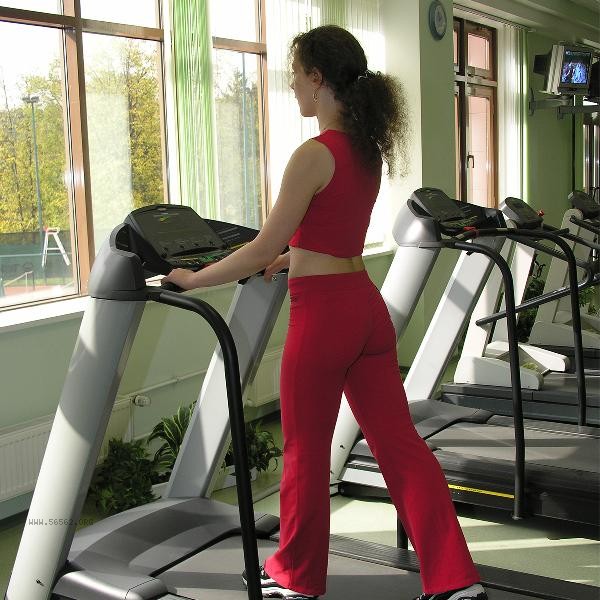
1-3 days postpartum, you can start with gentle movements such as turning over in bed and lifting your legs. After one week, gradually increase your walking time according to the recovery situation. Kegel exercises can be performed 2 weeks after vaginal delivery, while cesarean section should begin after the wound has healed. All activities should be conducted to avoid fatigue and discomfort, and to prevent pelvic floor muscle damage caused by lifting heavy objects or intense exercise.
3. Breastfeeding
Breastfeeding can consume 300-500 calories per day, which helps promote uterine contractions and weight loss. During breastfeeding, it is necessary to ensure a daily water intake of 2000-3000 milliliters to avoid strong tea and coffee affecting milk secretion. It is not advisable to deliberately diet during lactation, and it is necessary to ensure sufficient daily intake of trace elements such as calcium and iron.
4. Ensure Sleep
Lack of sleep can lead to a decrease in leptin secretion and an increase in ghrelin. It is recommended to take turns taking care of the baby with family members and strive to accumulate 7-8 hours of sleep per day. During lunchtime, you can take a synchronized rest while the baby is sleeping to avoid prolonged staying up late that can affect metabolic function. Maintaining a regular sleep schedule helps regulate endocrine balance.
5. Emotional Management
Postpartum depression and anxiety may lead to binge eating. Stress can be relieved through meditation, music relaxation, and seeking psychological support if necessary. Family members should share more of the responsibility of raising children to avoid excessive fatigue during childbirth. Maintaining a happy mood helps to maintain a normal appetite regulation mechanism. During the postpartum period, weight loss should prioritize physical recovery, and the weekly weight loss should not exceed 0.5 kilograms. Avoid taking weight loss medication or excessive dieting, as these may affect the quality of breast milk and wound healing. During the 42 day postpartum follow-up, you can consult a doctor to develop a personalized exercise plan. After the end of lactation, gradually increase the intensity of exercise to achieve healthy weight loss. Daily diet and weight changes can be recorded, but there is no need to weigh daily to cause psychological pressure.









Comments (0)
Leave a Comment
No comments yet
Be the first to share your thoughts!