
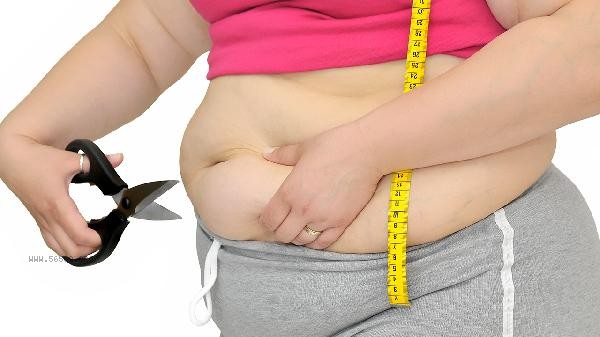
Rapid weight loss can be achieved through adjusting dietary structure, increasing exercise, behavioral intervention, medication treatment, and metabolic surgery. Obesity is usually related to genetic factors, unhealthy dietary habits, lack of exercise, endocrine disorders, drug side effects, and other reasons.
1. Adjust dietary structure
Reduce intake of high calorie foods, increase the proportion of vegetables, fruits, and high-quality protein. Adopt a low glycemic index diet and avoid refined sugars and saturated fatty acids. Daily calorie intake should be controlled within a reasonable range to avoid extreme dieting leading to malnutrition. You can refer to the dietary guidelines to develop personalized recipes and gradually change unhealthy eating habits.
2. Increase physical activity
Engage in at least 150 minutes of moderate intensity aerobic exercise per week, such as brisk walking, swimming, cycling, etc. Combining resistance training to increase muscle mass and improve basal metabolic rate. The intensity of exercise should be gradually increased to avoid joint injuries. It is recommended to choose sports that interest you and establish a habit through long-term persistence.
3. Behavioral Intervention
Record daily diet and exercise to establish a healthy lifestyle. Change unhealthy eating habits, such as emotional eating, through cognitive-behavioral therapy. Set achievable weight loss goals and monitor weight changes weekly. Seeking support from family and friends, establishing a social supervision mechanism.

4. Medication therapy
Under the guidance of a doctor, medications such as Orlistat capsules, Liraglutide injection, and Fentementopilate hydrochloride tablets may be considered. These drugs suppress appetite or reduce fat absorption through different mechanisms. Strictly follow the indications, monitor for adverse drug reactions, and do not purchase or take medication on your own.
5. Metabolic surgery
For severely obese patients, metabolic surgery such as sleeve gastrectomy or gastric bypass surgery may be considered. Surgery can significantly reduce gastric capacity or alter digestion and absorption pathways. A comprehensive assessment of surgical risks and benefits is required, followed by long-term nutritional management and follow-up after surgery. During the weight loss process, it is advisable to maintain a reasonable expectation and lose 0.5-1 kilogram per week. Avoid using extreme weight loss methods such as excessive dieting, overuse of laxatives, etc. Ensure adequate sleep and manage stress levels. After losing weight, it is necessary to establish a long-term weight maintenance plan to prevent rebound. If combined with diabetes, hypertension and other diseases, weight loss programs should be developed under the guidance of professional doctors.









Comments (0)
Leave a Comment
No comments yet
Be the first to share your thoughts!