
Rapid and effective weight loss requires a combination of multidimensional methods such as dietary control, exercise intervention, and behavioral adjustment, mainly including adjusting dietary structure, increasing aerobic exercise, strength training, ensuring adequate sleep, and medical intervention when necessary.

1. Adjust dietary structure
Reduce intake of refined carbohydrates and high-fat foods, and increase the proportion of high-quality protein and dietary fiber. Choose whole grains instead of white rice and flour, supplement protein with low-fat meats such as chicken breast and fish, and pair with non starch vegetables such as broccoli and spinach. Avoid sugary drinks and highly processed foods, and keep daily calorie intake within a reasonable range.
2. Increase aerobic exercise
Engage in at least 150 minutes of moderate intensity aerobic exercise per week, such as brisk walking, swimming, cycling, etc. During exercise, the heart rate should be maintained within the range of 60% -70% of the maximum heart rate, and each session should last for more than 30 minutes to effectively mobilize fat for energy supply. Intermittent training mode can be adopted to improve fat burning efficiency by alternating between high-intensity and low-intensity for a short period of time.
3. Strength training
Resistance training 2-3 times a week can increase muscle mass and improve basal metabolic rate. Focus on training large muscle groups such as squats, hard pulls, bench presses, and other compound movements, with 8-12 repetitions per group. For every 1 kilogram increase in muscle mass, daily resting energy expenditure can be increased by about 50 calories, resulting in a sustained weight loss effect.

4. Ensure adequate sleep
Maintaining 7-9 hours of high-quality sleep daily helps regulate levels of leptin and ghrelin. Lack of sleep can lead to an increase in cortisol and promote abdominal fat accumulation. Establish a fixed sleep schedule, avoid blue light stimulation before bedtime, and create a dark and quiet sleeping environment.
5. Medical Intervention
For individuals with a body mass index exceeding 32.5 or concomitant metabolic disorders, the use of medications such as Orlistat capsules under the guidance of a doctor or the evaluation of indications for metabolic surgery may be considered. Laparoscopic sleeve gastrectomy, gastric bypass surgery, and other surgical procedures can achieve weight loss by restricting intake and absorption, but strict adherence to surgical indications is necessary.
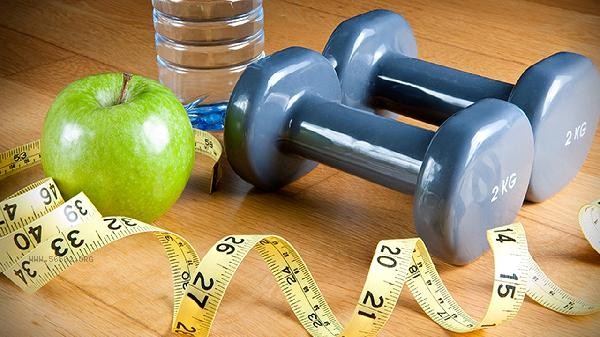
During weight loss, regular monitoring of changes in body fat percentage and circumference should be carried out to avoid excessive attention to weight figures. Maintain a steady weight loss rate of 0.5-1 kg per week to prevent rapid weight loss from causing muscle loss and metabolic damage. Cultivating long-term healthy lifestyle habits is more important than short-term extreme dieting. During the plateau period, one can adjust their exercise routine and diet ratio. If discomfort symptoms such as dizziness and fatigue occur, seek medical evaluation in a timely manner.








Comments (0)
Leave a Comment
No comments yet
Be the first to share your thoughts!