
Menstrual weight loss can be achieved through adjusting dietary structure, moderate exercise, supplementing iron, controlling calorie intake, and maintaining a regular schedule. Changes in hormone levels in women during menstruation may affect metabolism, and scientific methods should be taken to avoid health risks.

1. Adjusting dietary structure
During menstruation, it is recommended to increase the intake of vegetables and fruits rich in dietary fiber, such as broccoli and apples, to help promote gastrointestinal motility. Moderate supplementation of high-quality protein such as eggs and fish can help maintain muscle mass. Reduce high salt and high sugar foods to avoid exacerbating edema symptoms.
2. Moderate exercise
Choose low-intensity aerobic exercise such as brisk walking or yoga, lasting 30-40 minutes each time. Avoid fatigue caused by intense exercise, and pay attention to controlling slight sweating during exercise. Regular exercise intensity can be gradually restored three days after menstruation.
3. Supplementing Iron
During menstruation, iron loss increases. Eating iron rich foods such as pig liver and spinach, combined with vitamin C to promote absorption. Avoid consuming beverages such as coffee and tea that affect iron absorption simultaneously. If there is obvious fatigue, follow the doctor's advice to use iron supplements such as dextran iron oral solution.

4. Control calorie intake
Maintain a daily calorie deficit of 300-500 calories to avoid excessive dieting affecting hormone secretion. Adopting a small and frequent meal plan, each meal contains an appropriate amount of carbohydrates to maintain blood sugar stability. Keeping a food diary helps to grasp the intake situation.
5. Maintain a regular sleep routine
Ensuring 7-8 hours of sleep helps regulate the balance of leptin and ghrelin. Avoiding staying up late can lead to elevated cortisol levels and increase the risk of fat accumulation. Avoid using electronic devices one hour before bedtime and create a quiet sleeping environment.
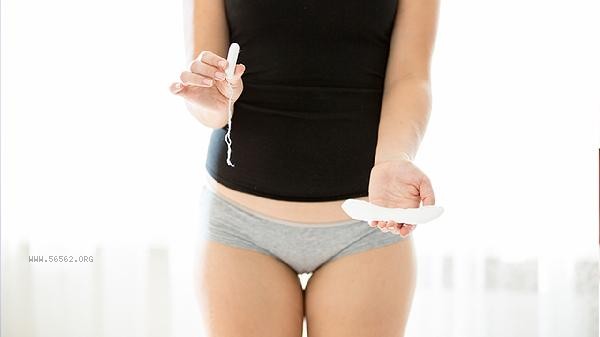
During the menstrual period, special attention should be paid to body signals for weight loss. If discomfort such as dizziness and fatigue occurs, the weight loss plan should be stopped immediately. One week after menstruation, when estrogen and progesterone levels rise, it is the stage with higher fat loss efficiency, which can be combined with aerobic and resistance training. Long term weight loss should establish scientific eating and exercise habits, and avoid extreme weight loss methods during menstruation that may affect the menstrual cycle. It is recommended to conduct regular body composition testing and develop personalized plans under the guidance of professional nutritionists.








Comments (0)
Leave a Comment
No comments yet
Be the first to share your thoughts!