
Summer weight loss can be achieved by adjusting diet structure, increasing exercise, ensuring sufficient sleep, controlling cold drink intake, and drinking water scientifically. Metabolism accelerates in summer, and combining scientific methods makes it easier to achieve weight loss goals.
1. Adjust your diet structure
In summer, you can choose more vegetables and fruits with high water content, such as cucumbers, watermelons, broccoli, etc., to replace high calorie snacks. Increasing the proportion of coarse grains by one-third in daily staple foods, such as oats, corn, and other foods rich in dietary fiber, can help prolong satiety. Reduce the intake of fried foods and barbecue, and mainly use cold dishes and steaming as cooking methods. Pay attention to protein supplementation, and choose low-fat and high-quality proteins such as fish, shrimp, chicken breast, etc.
2. Increase physical activity
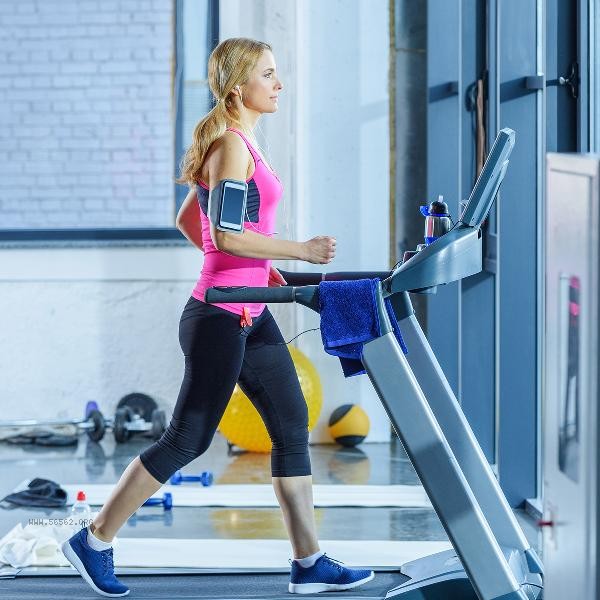
Use cool morning or evening periods to engage in aerobic exercise for more than 30 minutes, such as swimming, brisk walking, cycling, and other water activities, to cool down at the same time. Join resistance training twice a week to improve basal metabolic rate, and perform weight training such as plank support and squats at home. Warm up and stretch before and after exercise, and avoid vigorous outdoor activities during high temperature periods.
3. Ensure Adequate Sleep
Maintaining 7 hours of high-quality sleep daily helps regulate the balance of leptin and ghrelin. Avoid using electronic devices one hour before bedtime and keep the bedroom temperature around 26 ℃. A short nap of 20 minutes can be arranged during lunchtime, but avoid affecting the nighttime sleep rhythm for more than 30 minutes. Lack of sleep can lead to an increase in cortisol levels, increasing the risk of abdominal fat accumulation.
4. Control the intake of cold drinks
Excessive consumption of chilled drinks can temporarily reduce gastrointestinal digestion function. It is recommended to drink no more than 200ml of cold drinks per day. You can choose room temperature lemon water, light green tea, and other alternative sugary drinks. Homemade fruit ice cubes can meet your taste needs. Be wary of seemingly healthy fruit juice drinks, 500ml orange juice contains about 40 grams of sugar, close to the daily limit of added sugar.
5. Scientific drinking water
Daily water intake should be maintained at 2000-3000ml, supplemented in small amounts multiple times. Moderate consumption of electrolyte containing water before and after exercise can avoid increasing the burden on the heart by drinking a large amount of water at once. Observe the color of urine to determine if hydration is sufficient, with a light yellow color being the ideal state. Drinking 300ml of warm water 30 minutes before meals can help control food intake. Summer weight loss requires establishing sustainable healthy habits and avoiding extreme dieting or excessive exercise. Pay attention to sun protection and heatstroke prevention, and carry a towel to wipe sweat in a timely manner during exercise. Regularly measuring body fat percentage is more meaningful than simply focusing on weight. If discomfort symptoms such as dizziness and palpitations occur, exercise should be stopped immediately and fluids should be replenished. It is recommended to lose no more than 1 kilogram per week, as maintaining an ideal weight over the long term is more beneficial for overall health.








Comments (0)
Leave a Comment
No comments yet
Be the first to share your thoughts!