
Obese fatty liver patients can lose weight by adjusting their diet, increasing their exercise, controlling their weight, improving their lifestyle, and intervening with medication if necessary. Obese fatty liver is usually associated with long-term high calorie diet, lack of exercise, insulin resistance, genetic factors, metabolic abnormalities, and other reasons.
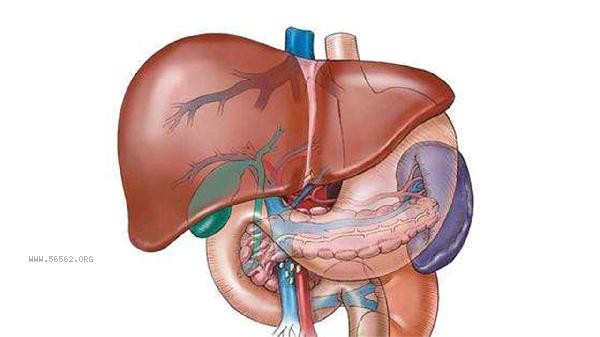
1. Adjust dietary structure
Reduce intake of high-fat and high sugar foods, and increase the proportion of vegetables, fruits, and whole grains. Daily calorie intake should be lower than consumption, avoiding fried foods and sugary drinks. High quality protein can be selected from fish and soy products, with steaming as the main cooking method. Dietary fiber helps to slow down sugar absorption and can be consumed in moderation with oats and brown rice. Long term adherence to a low-fat and low sugar diet can reduce liver fat deposition.
2. Increase physical activity
Engage in at least 150 minutes of moderate intensity aerobic exercise per week, such as brisk walking or swimming. Exercise can promote fat breakdown metabolism and improve insulin sensitivity. In the initial stage, you can start by walking for 30 minutes every day and gradually increase the intensity and duration of exercise. Resistance training can increase muscle mass and improve basal metabolic rate. Warm up and stretch before and after exercise to avoid sports injuries.
3. Control weight
Keep weight within a reasonable range, and it is recommended to lose 5% -10% weight within 3-6 months. Rapid weight loss may lead to abnormal liver function, and a weight loss rate of 0.5-1 kg per week should be maintained. Regularly monitor weight and waist circumference changes, and male waist circumference should be less than 90 centimeters. Weight rebound can worsen fatty liver, and a long-term weight management plan needs to be established. If necessary, seek guidance from professional nutritionists to develop personalized plans.
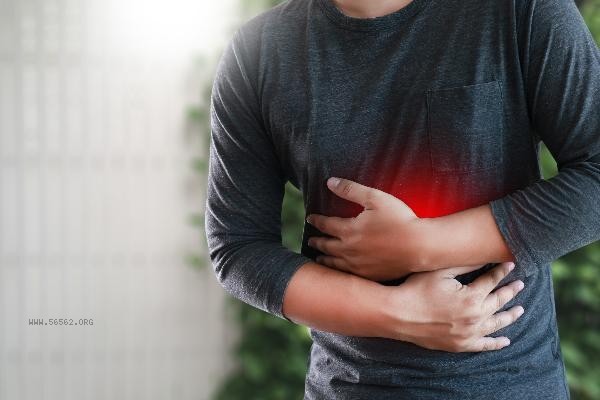
4. Improving lifestyle
Ensuring sufficient sleep helps regulate metabolic hormone levels. Smoking cessation and alcohol restriction can reduce the metabolic burden on the liver and prevent the progression of fatty liver. Reduce sedentary time by getting up and moving for 5 minutes every hour. Managing stress levels, long-term tension may affect dietary behavior. Establish a regular sleep schedule and maintain a stable biological clock.
5. Drug intervention
Under the guidance of a doctor, the use of Orlistat capsules can be considered to control fat absorption. Metformin tablets help improve insulin resistance status. Vitamin E soft capsules may have a protective effect on non-alcoholic fatty liver disease. Liver protective drugs such as silibinin capsules can assist in improving liver function. Regular follow-up of liver function and blood glucose indicators is required during medication. Obese fatty liver patients should establish a long-term lifestyle management plan and regularly monitor their weight and liver function indicators. Pay attention to the timing and quantity of three meals in diet, and avoid eating at night. The choice of exercise should be gradual, with aerobic exercise combined with strength training being the best. Ensure 7-8 hours of sleep per day to avoid staying up late and affecting metabolism. Maintain a positive and optimistic attitude, and seek psychological support when necessary. Perform liver ultrasound and blood tests every 3-6 months to assess changes in the condition in a timely manner. If you experience fatigue or discomfort in the liver area during the weight loss process, you should seek medical attention promptly to adjust your plan.








Comments (0)
Leave a Comment
No comments yet
Be the first to share your thoughts!