
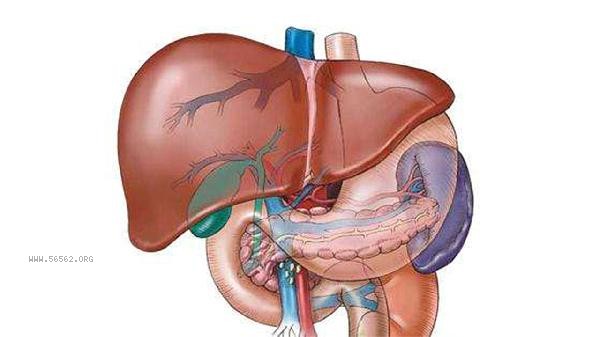
Mild fatty liver patients can lose weight by adjusting their diet, increasing exercise, controlling their weight, limiting alcohol consumption, and regular monitoring. Mild fatty liver is usually associated with unhealthy dietary habits, lack of exercise, obesity, excessive alcohol intake, metabolic abnormalities, and other factors.
1. Adjust diet
Reduce the intake of high-fat and high sugar foods, and increase the intake of vegetables, fruits, whole grains, and high-quality protein. Avoid fried foods, desserts, sugary drinks, etc., and choose healthy foods such as low-fat milk, fish, and soy products. Control daily total calorie intake, avoid overeating, and maintain a balanced diet.
2. Increase Exercise
Engage in at least 150 minutes of moderate intensity aerobic exercise per week, such as brisk walking, swimming, cycling, etc. Exercise helps to burn excess fat, improve insulin sensitivity, and promote liver fat breakdown. Avoid prolonged sitting and combine strength training to increase muscle mass and improve basal metabolic rate.
3. Weight Control
Control weight within a normal range through a combination of diet and exercise. The weight loss rate should not be too fast, it is recommended to lose 0.5-1 kilogram per week. Excessive weight loss may lead to rapid fat breakdown and increase the burden on the liver. Maintain a body mass index between 18.5-23.9 and a waist circumference of no more than 90 centimeters for males and 85 centimeters for females.
4. Limiting alcohol consumption
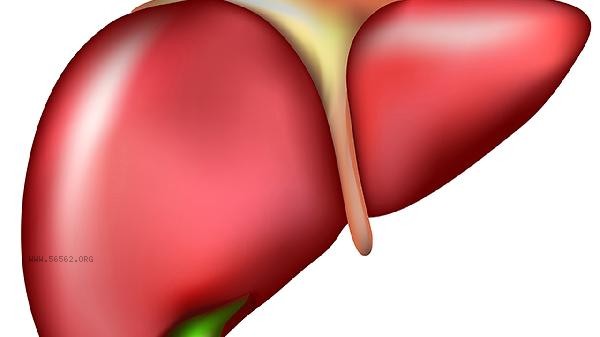
Alcohol is an important factor leading to fatty liver, and patients with mild fatty liver should strictly limit alcohol consumption. Men's daily alcohol intake should not exceed 25 grams, and women's should not exceed 15 grams. It is best to completely quit drinking to avoid further damage to the liver caused by alcohol. Long term alcohol consumption can lead to the progression of fatty liver to alcoholic hepatitis or even cirrhosis.
5. Regular monitoring
Re check liver function, blood lipids, blood glucose and other indicators every 3-6 months, and evaluate the degree of liver steatosis through ultrasound examination. If symptoms such as fatigue and discomfort in the upper right abdomen occur, seek medical attention promptly. Monitor weight changes and adjust weight loss plans. When combined with diabetes, hypertension and other diseases, relevant indicators should be controlled at the same time. Patients with mild fatty liver should gradually lose weight and not rush to achieve results. Maintain a regular schedule, avoid staying up late and overworking. The main cooking methods are steaming, boiling, and stewing, reducing the use of oil. Adequate supplementation of beneficial liver health nutrients such as vitamin E and Omega-3 fatty acids. If the weight loss effect is poor or the liver function continues to be abnormal, timely medical attention should be sought for professional guidance. Long term adherence to a healthy lifestyle can effectively reverse fatty liver and prevent disease progression.








Comments (0)
Leave a Comment
No comments yet
Be the first to share your thoughts!