
Edematous obesity can be reduced by adjusting diet, moderate exercise, and improving lifestyle habits to achieve weight loss. Edematous obesity is often related to abnormal water metabolism in the body, rather than simply fat accumulation.
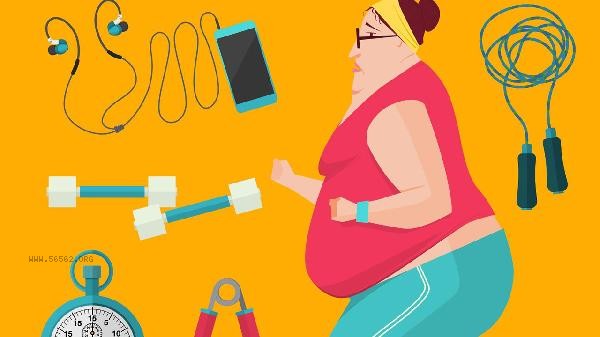
1. Adjust diet
Reduce intake of high salt foods, avoid foods with high sodium content such as pickled foods and processed meats, and control daily salt intake within 5 grams. Increase potassium rich foods such as bananas, spinach, and seaweed to help balance sodium and potassium levels in the body. Drink 1500-2000 milliliters of water daily, in small portions to avoid burdening the kidneys with large amounts of water at once. Limit alcohol and sugary drinks to reduce edema caused by increased vascular permeability.
2. Moderate Exercise
Engage in 3-5 aerobic exercises per week such as brisk walking, swimming, cycling, etc., each lasting 30-40 minutes, to promote blood circulation and lymphatic return. Combining resistance training such as squats and plank support to enhance muscle pumping function. Avoid prolonged sitting and standing, move for 5-10 minutes every hour, and elevate the lower limbs to improve venous return during work. Stretching appropriately after exercise can relieve muscle tension.
3. Improve living habits
Ensure 7-8 hours of sleep every day, and avoid staying up late, which will lead to increased cortisol and retention of water and sodium. Wear loose clothing and avoid tight pants or waistbands that compress blood vessels. Reduce fluid intake 2 hours before bedtime and raise the lower limbs 15-20 centimeters to promote blood reflux. Control the ambient temperature, as high temperatures can exacerbate blood vessel dilation and fluid leakage. Managing emotional stress, long-term anxiety may affect aldosterone secretion.
4. Traditional Chinese medicine conditioning
can use adzuki bean, Coix seed, Poria cocos and other ingredients to make Congee or substitute tea. Acupoint massage such as Yin Ling Quan, San Yin Jiao, Zu San Li, etc., press for 1-2 minutes each time. Moxibustion at acupoints such as Guan Yuan and Qi Hai should be performed by professional physicians. Avoid long-term use of diuretics as it may cause electrolyte imbalances. After identifying the constitution, it is necessary to follow the doctor's advice when using prescriptions such as Wuling San and Fangji Huangqi Tang for syndrome differentiation.
5. Medical intervention
Continuous edema requires screening for nephrotic syndrome, heart failure, hypothyroidism, and other diseases, as well as improving urine routine, renal function, echocardiography, and other examinations. Medication induced edema should be adjusted by consulting a doctor to adjust the medication plan. Patients with lymphedema require professional drainage massage and pressure therapy. Patients with venous insufficiency can wear medical elastic socks, and severe cases require vascular surgery evaluation.
Edematous obese individuals should establish dietary records and monitor the difference in weight changes between morning and bedtime, with normal diurnal fluctuations not exceeding 0.5 kilograms. Choose shoes and socks with good breathability to avoid moisture on the feet. The water temperature during bathing should not be too high. After bathing, cold water can be used to shower the lower limbs to enhance vascular elasticity. Long term edema or symptoms such as difficulty breathing and oliguria should be promptly treated with medical attention to rule out organic diseases. During the weight loss process, it is recommended to lose 0.5-1 kilogram per week to avoid rapid weight loss leading to dehydration or electrolyte imbalance.








Comments (0)
Leave a Comment
No comments yet
Be the first to share your thoughts!