
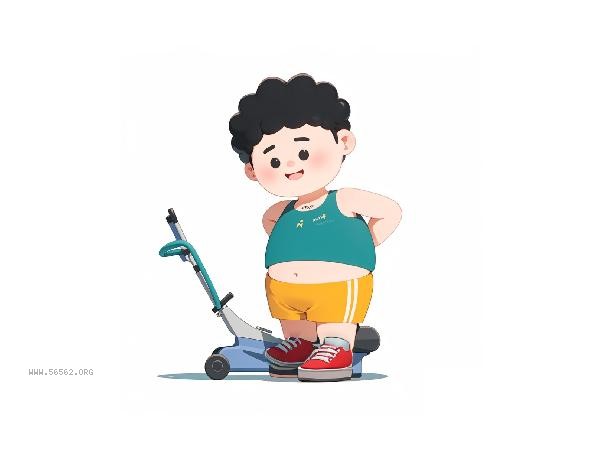
Childhood obesity can be controlled through adjusting dietary structure, increasing physical activity, behavioral intervention, parental supervision, medical intervention, and other methods. Childhood obesity may be related to genetic factors, dietary habits, lack of exercise, endocrine disorders, psychological factors, and other factors.
1. Adjust dietary structure
Reduce the intake of high sugar and high-fat foods, avoid fried foods, sweet drinks, and snacks. Ensure daily intake of vegetables, fruits, whole grains, and high-quality protein such as broccoli, oats, eggs, etc. Three meals should be scheduled and quantified, and dinner should not be too late. Avoid using food as a reward and cultivate healthy eating habits.
2. Increase physical activity
Ensure 60 minutes of moderate to high-intensity physical activity every day, such as brisk walking, swimming, cycling, etc. Reduce static activity time and control daily screen time within 2 hours. Participating in team sports can cultivate interest, and parents should participate in sports together and encourage them. The intensity of exercise should be gradual and avoid sudden intense exercise.
3. Behavioral Intervention
Record daily diet and exercise to help establish self-management awareness. Set achievable short-term goals, such as losing no more than 0.5 kilograms per week. Eliminate bad habits through positive reinforcement and avoid criticism and blame. If necessary, seek psychological counseling to address psychological issues caused by obesity.
4. Parental supervision
Parents need to adjust the family's eating environment and not store unhealthy snacks at home. Lead by example, maintain regular exercise and a healthy diet, and avoid bad habits in front of children. Regularly monitor changes in children's height and weight, but it is not recommended to weigh them frequently. Provide timely positive feedback on children's progress and avoid excessive attention to weight figures.
5. Medical Intervention
For children with severe obesity or metabolic abnormalities, treatment should be carried out under the guidance of a doctor. It may be related to factors such as insulin resistance, hypothyroidism, and Cushing's syndrome, usually manifested as symptoms such as echinococcosis and menstrual disorders. Doctors may recommend the use of medications such as metformin tablets, but weight loss drugs are generally not recommended for children under 12 years old.
Weight loss in children should be based on growth and development, and rapid weight loss is not recommended. Parents should regularly take their children for health check ups and monitor their growth and development curves. Pay attention to creating a positive family atmosphere in daily life and avoid psychological pressure caused by weight loss. Ensuring sufficient sleep time and establishing regular sleep habits can help children manage their weight.








Comments (0)
Leave a Comment
No comments yet
Be the first to share your thoughts!