
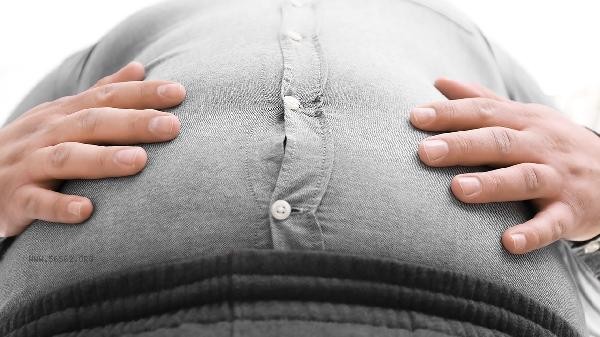
Short term weight loss can be achieved through adjusting dietary structure, increasing exercise, controlling calorie intake, improving lifestyle habits, and medical intervention if necessary. Losing weight in a short period of time is usually caused by factors such as excess calories, low metabolic rate, unhealthy eating habits, lack of exercise, and hormonal imbalances.
1. Adjust dietary structure
Reduce the intake of refined carbohydrates and high sugar foods, and increase the proportion of vegetables, high-quality protein, and whole grains. Choosing low calorie and high fiber foods can help increase satiety and reduce total calorie intake. Avoid fried foods and high salt foods to reduce swelling and fat accumulation. Three meals a day are scheduled and quantified to avoid overeating. Properly control fruit intake to avoid excessive fructose conversion into fat.
2. Increase exercise volume
Combined with aerobic exercise and strength training, engage in 4-5 sessions of moderate to high-intensity exercise for more than 30 minutes per week. Aerobic exercises such as brisk walking, running, swimming, etc. can directly burn fat, while strength training can increase muscle mass and improve basal metabolic rate. Utilize fragmented time for movement, such as climbing stairs instead of elevators. Warm up and stretch before and after exercise to avoid sports injuries. Maintain exercise diversity to prevent a decrease in weight loss after the body adapts.
3. Control calorie intake
Calculate daily basal metabolic rate and set reasonable calorie deficit targets. Accurately monitor intake using food scales and recording apps. Choose foods that are large in size but low in calories, such as vegetables and mushrooms. Control the usage of cooking oil and seasonings. Avoid sugary drinks and alcohol, which are the main sources of hidden calories. Adopt intermittent fasting appropriately, but avoid excessive dieting.

4. Improve lifestyle habits
Ensure 7-8 hours of high-quality sleep. Lack of sleep can lead to hunger hormone disorders. Reduce stress, as stress stimulates cortisol secretion and promotes fat accumulation. Quit snacking habits, especially nighttime snacks. Increase daily activity levels, such as standing for work and walking commuting. Maintain a regular daily routine to avoid disruptions in the biological clock that can affect metabolism. Drinking plenty of water promotes metabolism, but avoiding excessive water intake can lead to electrolyte imbalance.
5. Medical Intervention
For severely obese or metabolically abnormal individuals, medications such as Orlistat capsules and Liraglutide injection can be used under the guidance of a doctor. In extremely special cases, weight loss surgeries such as gastric banding surgery and gastric sleeve resection may be considered. The use of drugs or surgery requires strict evaluation of indications and contraindications. Any medical intervention needs to be accompanied by dietary and exercise management. Regularly monitor physical indicators to prevent rapid weight loss from causing health problems.
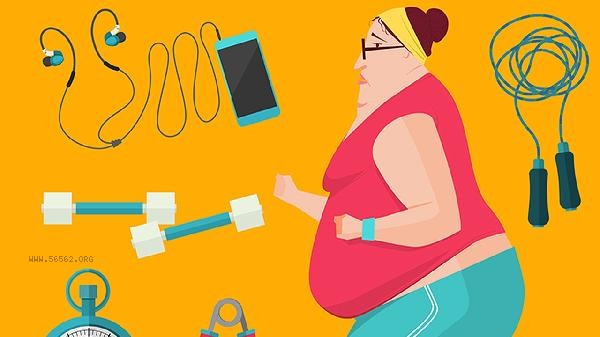
Short term weight loss should pay attention to the scientific and sustainable methods, and avoid extreme dieting or excessive exercise that may cause health damage. During weight loss, it is important to maintain a balanced diet and supplement with appropriate amounts of complex vitamins and minerals. Weight loss should not exceed 1 kilogram per week, as losing weight too quickly can lead to skin sagging and metabolic disorders. Establishing a long-term healthy lifestyle is more important than short-term weight loss, and after losing weight, it is necessary to gradually adjust to a maintenance diet and exercise plan. If discomfort symptoms such as dizziness, fatigue, and menstrual disorders occur, seek medical attention promptly.








Comments (0)
Leave a Comment
No comments yet
Be the first to share your thoughts!