
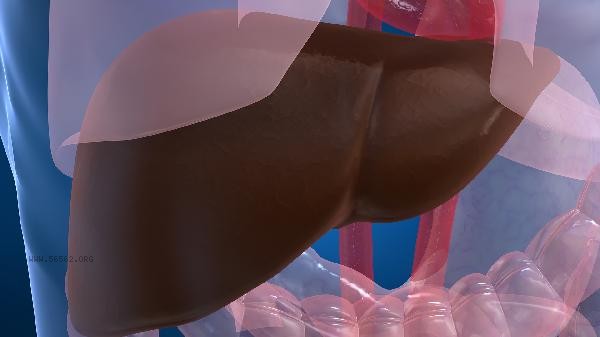
Patients with fatty liver can lose weight by adjusting their diet, increasing exercise, controlling their weight, limiting alcohol intake, and regularly monitoring liver function. Fatty liver is usually caused by obesity, long-term alcohol consumption, high-fat diet, insulin resistance, metabolic syndrome, and other factors.
1. Adjust dietary structure
Reduce the intake of high-fat and high sugar foods, increase the proportion of vegetables, fruits, whole grains, and high-quality protein. Avoid fried foods, desserts, and sugary drinks, and choose low-fat cooking methods such as steaming and boiling. Daily calorie intake should be lower than consumption, forming a calorie gap can help reduce liver fat deposition.
2. Increase physical activity
Engage in at least 150 minutes of moderate intensity aerobic exercise per week, such as brisk walking, swimming, cycling, etc. Exercise can promote fat breakdown and improve insulin sensitivity. Starting from 20 minutes a day, gradually increase the duration and intensity to avoid a sedentary lifestyle.
3. Weight Control
Control weight within a reasonable range, with the goal of losing 5% -10% of current weight within 3-6 months. To avoid liver dysfunction caused by rapid weight loss, the weight loss should not exceed 1 kilogram per week. Weight loss can significantly improve liver steatosis and inflammation.

4. Limit alcohol intake
Alcohol can worsen liver damage, and patients with fatty liver should strictly quit drinking. Patients with alcoholic fatty liver disease often experience reversible liver lesions after quitting alcohol. Non alcoholic fatty liver disease also requires avoiding alcohol consumption to prevent the synergistic damage of alcohol and fat to liver cells.
5. Regularly monitor liver function
Recheck liver ultrasound and liver function indicators every 3-6 months to evaluate weight loss effectiveness. If there is a sustained increase in transaminase levels or signs of fibrosis, seek medical attention promptly. Monitoring can help adjust treatment plans and prevent disease progression to steatohepatitis or cirrhosis. Patients with fatty liver should maintain a regular daily routine during weight loss, avoid staying up late and excessive fatigue. Moderate supplementation of beneficial liver nutrients such as vitamin E and Omega-3 fatty acids is recommended, but only under the guidance of a doctor. Establishing a long-term lifestyle change plan, rather than short-term dieting, can effectively improve fatty liver and prevent recurrence. If combined with metabolic diseases such as diabetes and hypertension, relevant indicators need to be controlled simultaneously.








Comments (0)
Leave a Comment
No comments yet
Be the first to share your thoughts!