
Upper body and facial fat can be lost by adjusting dietary structure, strengthening local exercise, improving lifestyle habits, controlling calorie intake, and increasing aerobic exercise. This type of body shape may be related to hormone levels, genetic factors, unhealthy dietary habits, lack of exercise, metabolic abnormalities, and other reasons.
1. Adjust dietary structure
Reduce the intake of refined carbohydrates and high sugar foods, such as white rice, desserts, etc., and instead choose whole grains, vegetables, fruits, and other foods rich in dietary fiber. Dietary fiber can increase satiety and help control calorie intake. Avoid high salt diets to reduce the probability of edema. Moderate daily intake of high-quality protein, such as chicken breast and fish, can help maintain muscle mass. Avoid fried foods and sugary drinks, as these foods can easily lead to fat accumulation.
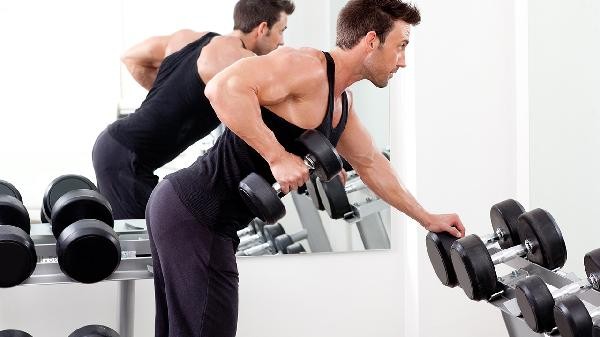
2. Strengthen local exercises
For upper body and facial fat, strength training such as push ups and dumbbell side lifts can be performed to enhance muscles. Facial movements such as cheek puffing and head lifting can stimulate muscle activity. Perform 3-5 local exercises per week, each lasting 20-30 minutes. Massage the face and upper limbs appropriately after exercise to promote blood circulation. Pay attention to the gradual increase in exercise intensity to avoid injuries caused by overtraining.
3. Improve lifestyle habits
Ensure 7-8 hours of high-quality sleep per day. Lack of sleep can lead to elevated cortisol levels and promote abdominal fat accumulation. Reduce staying up late and sitting for long periods of time, and get up and move for 5 minutes every hour. Managing stress levels, long-term stress can stimulate appetite and affect metabolism. Smoking cessation and alcohol restriction habits can affect the distribution of body fat. Maintaining a regular daily routine helps regulate hormone balance in the body.
4. Control calorie intake
Calculate daily basal metabolic rate, establish a reasonable calorie deficit, and generally recommend reducing 300-500 calories per day. Adopt the method of eating small meals frequently to avoid overeating. Record dietary diary and monitor actual intake. Choosing foods with low glycemic index, such as oats and beans, can help stabilize blood sugar levels. Pay attention to balanced nutrition and avoid excessive dieting that can lead to malnutrition.
5. Increase aerobic exercise
Engage in 4-5 aerobic exercises per week, such as brisk walking, swimming, cycling, etc., each lasting 30-45 minutes. Aerobic exercise can improve cardiovascular function and promote whole-body fat burning. Maintain moderate intensity during exercise, with slight sweating that does not affect normal speech. It can be combined with high-intensity interval training to improve fat burning efficiency after exercise. Warm up and stretch before and after exercise to prevent sports injuries. During the weight loss process, it is important to maintain patience and avoid pursuing rapid weight loss. Losing 0.5-1 kilogram per week is a healthy pace. Regularly measure changes in body circumference without overly focusing on weight numbers. If accompanied by symptoms such as menstrual disorders and abnormal hair growth, it is recommended to seek medical attention to check hormone levels. When there is no long-term weight change, you can consult a nutritionist to develop a personalized plan. Pay attention to maintaining a positive attitude, as weight loss is a long-term process of lifestyle adjustment.








Comments (0)
Leave a Comment
No comments yet
Be the first to share your thoughts!