
Slightly overweight individuals can scientifically lose weight by adjusting their diet, increasing their physical activity, and improving their lifestyle habits. During the weight loss process, it is necessary to avoid excessive dieting or vigorous exercise to prevent harm to the body.
1. Adjust dietary structure
Reduce the intake of high calorie and high-fat foods, increase the proportion of vegetables, fruits, whole grains, and high-quality protein. Control the portion size of each meal and avoid overeating. Reduce the intake of refined carbohydrates appropriately, such as white rice, white bread, etc., and choose foods with low glycemic index, such as oats, brown rice, etc. Diet should be balanced and diverse to ensure that the body receives sufficient nutrition.
2. Increase physical activity
Engage in at least 150 minutes of moderate intensity aerobic exercise per week, such as brisk walking, swimming, cycling, etc. Combining strength training, such as squats, push ups, etc., helps increase muscle mass and improve basal metabolic rate. Exercise should be gradual and avoid high-intensity training at the beginning to prevent sports injuries. You can choose your favorite way of exercising and persist in it for a long time.
3. Improve lifestyle habits
Ensure sufficient sleep, 7-8 hours a day. Lack of sleep can affect metabolism and appetite regulation. Reduce sedentary time by getting up and moving for 5-10 minutes per hour. Manage stress and avoid emotional eating. Developing a regular sleep schedule helps maintain a healthy metabolic level. Smoking cessation and alcohol restriction habits can affect weight loss outcomes.

4. Recording Diet and Exercise
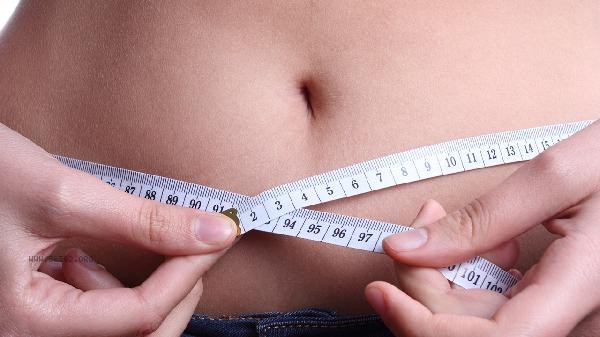
Recording daily dietary intake and exercise through a diet diary or exercise app can help understand one's habits and make adjustments. Regularly measure weight and body fat percentage, but not too frequently, once a week is sufficient. Pay attention to changes in body circumference, not just weight numbers. Adjust the weight loss plan in a timely manner based on the recorded data.
5. Seek professional guidance
If needed, you can consult a nutritionist to develop a personalized diet plan or consult a fitness coach to design a suitable exercise plan. If there are underlying diseases or difficulties in weight loss, it is recommended to seek medical examination for metabolic problems. Don't blindly try extreme weight loss methods, you should scientifically lose weight under the guidance of professionals. The weight loss of slightly overweight individuals should be based on health and adopt a gradual approach. During weight loss, it is important to ensure sufficient water intake and drink 1.5-2 liters of water per day. Pay attention to supplementing vitamins and minerals, and if necessary, take dietary supplements under the guidance of a doctor. Maintain a positive and optimistic attitude. Losing weight is a long-term process, so don't give up just because the short-term effects are not obvious. Establishing a sustainable and healthy lifestyle is necessary to maintain an ideal weight.








Comments (0)
Leave a Comment
No comments yet
Be the first to share your thoughts!