
Diabetes patients can lose weight scientifically through diet control, exercise intervention, drug adjustment, blood glucose monitoring, behavior management and other ways. The weight management of diabetes patients needs to take into account the stability of blood sugar and the safety of weight loss, which is usually related to the improvement of insulin resistance, the correction of metabolic disorders and other factors.
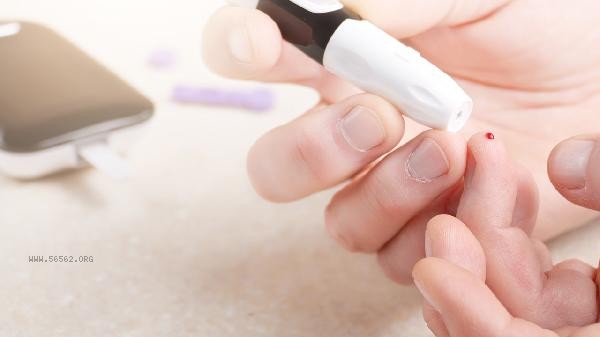
1. Dietary Control
Adopt a low glycemic index diet, with coarse grains accounting for more than one-third of the daily staple food, such as oats, buckwheat, etc. Pair each meal with high-quality protein such as fish and soy products, and consume 300-500 grams of vegetables. Avoid high sugar and high-fat foods and use cooking methods such as steaming and cold mixing. Patients with combined kidney disease should limit their protein intake, while those with poor gastrointestinal function can eat 5-6 meals.
2. Exercise Intervention
Engage in 150 minutes of moderate intensity aerobic exercise per week, such as brisk walking and swimming, with a heart rate maintained at around 60% of (220 age) during exercise. Resistance training is conducted 2-3 times a week, with a focus on developing large muscle groups. Monitor blood glucose before and after exercise, and supplement carbohydrates if it is below 5.6mmol/L. Retinopathy patients should avoid vigorous exercise, while peripheral neuropathy patients should choose water exercise.
3. Drug adjustment
Under the guidance of a doctor, optimize the hypoglycemic regimen. Metformin can improve insulin sensitivity, while GLP-1 receptor agonists such as liraglutide can delay gastric emptying. Be alert to the risk of hypoglycemia caused by sulfonylurea drugs, as excessive insulin use may promote fat synthesis. Regularly review liver and kidney function and adjust medication dosage based on weight changes.
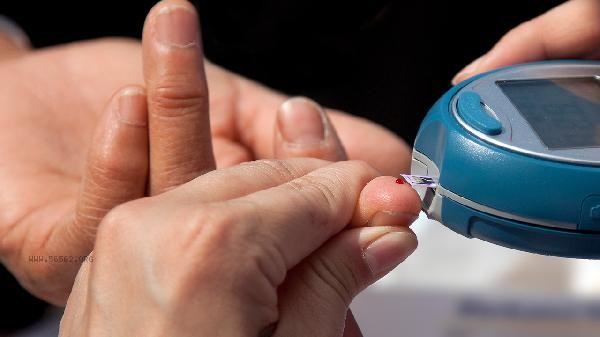
4. Blood glucose monitoring
uses a dynamic blood glucose meter or 4-7 fingertip blood glucose monitoring sessions per day, with fasting blood glucose controlled at 4.4-7.0 mmol/L and postprandial blood glucose below 10 mmol/L 2 hours after meals. If the blood glucose level drops below 3.9mmol/L, immediately handle it and record the correlation between blood glucose fluctuations and diet and exercise. Detection of urinary ketone body when blood sugar is too high to prevent diabetes ketoacidosis.
5. Behavioral Management
Establish daily weight, diet, and exercise records, and set phased weight loss goals. Take a diabetes education course and learn how to exchange food. Relieve emotional eating through mindfulness based diet and ensure 7-8 hours of sleep to regulate leptin secretion. Family members participate in supervision and regularly follow up with nutritionists and endocrinologists.
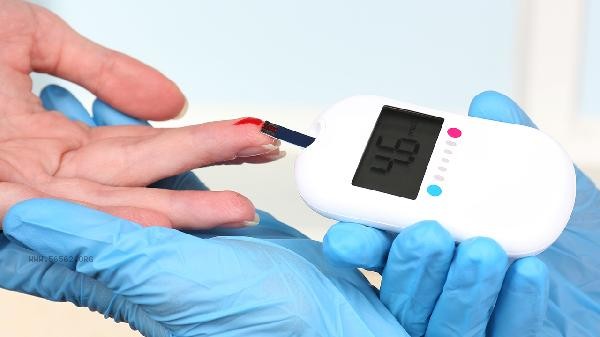
During weight loss, diabetes patients need to maintain a steady weight loss rate of 0.5-1 kg per week to avoid hypoglycemia induced by extreme dieting. Drink 1500-2000 milliliters of water daily and use unsaturated fatty acids such as olive oil for cooking. Patients with combined hypertension should limit their sodium intake, while osteoporosis patients should pay attention to supplementing calcium. It is recommended to recheck glycated hemoglobin and body fat percentage every 3 months, and have a professional team develop a personalized plan. If persistent hyperglycemia or sudden weight loss occurs, seek medical attention promptly and adjust treatment strategies.








Comments (0)
Leave a Comment
No comments yet
Be the first to share your thoughts!