
Newcomers can achieve weight loss at the gym through strength training, aerobic exercise, dietary control, lifestyle adjustments, professional guidance, and other methods. Weight loss is usually related to factors such as insufficient calorie consumption, low metabolic rate, improper exercise methods, imbalanced dietary structure, and lack of sustainability.
1. Strength Training
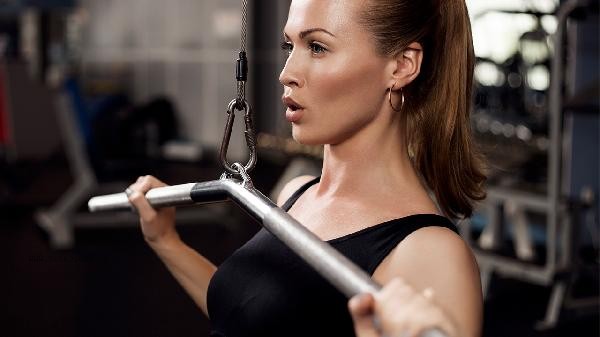
Strength training helps increase muscle mass and improve basal metabolic rate. Novices can start with equipment training, such as sitting posture chest pushing, high position pulling, and other fixed equipment. The standardization of movements is more important than weight. Conduct 3 training sessions per week, selecting 6 movements each time, with 3 groups of each movement and 12 sessions per group. After muscle growth, static heat consumption will significantly increase, and the long-term effect is better than pure aerobic exercise.
2. Aerobic exercise
Aerobic exercise can directly burn fat. It is recommended to choose projects such as elliptical machines, treadmill climbing, rowing machines, etc. that have less impact on joints. Maintain heart rate within the range of 60% to 70% of maximum heart rate for at least 30 minutes each time. Intermittent training mode can be adopted, such as a 1-minute sprint followed by a 2-minute slow walk cycle on a treadmill, which has a more pronounced afterburning effect.
3. Dietary Control
Daily calorie intake should be 300 to 500 calories less than consumption, and protein intake should reach 1.5 grams per kilogram of body weight. Adopting the 211 plate rule: 2 servings of vegetables, 1 serving of high-quality protein, and 1 serving of coarse grains per meal. Avoid sugary drinks and refined carbohydrates, and choose foods such as chicken breast, broccoli, brown rice, etc. Carry nuts with you as a health supplement to prevent overeating caused by excessive hunger.
4. Schedule Adjustment
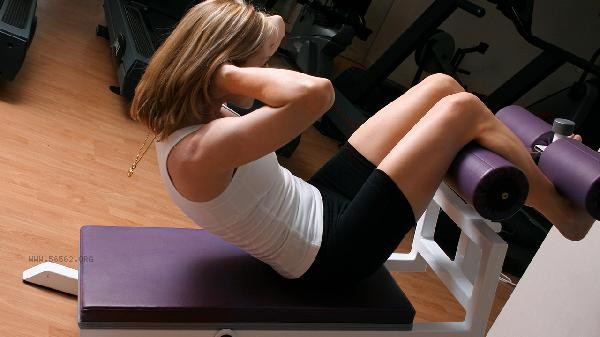
Ensure 7 hours of deep sleep every day, and the peak period of growth hormone secretion is from 23:00 to 2:00 in the morning. Lack of sleep can lead to an increase in cortisol and promote fat accumulation. After training, properly relax and stretch the foam shaft to help the muscles recover. Avoid training the same muscle group for two consecutive days and give the body ample time for repair.
5. Professional guidance
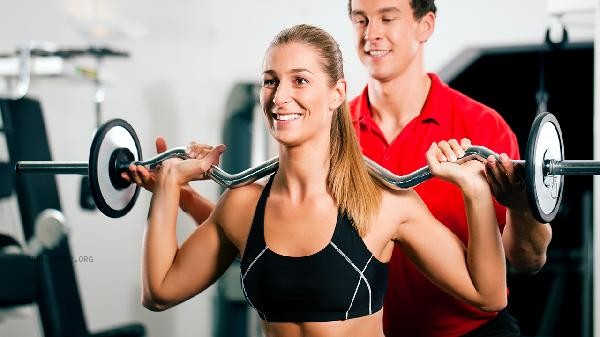
For first-time fitness, it is recommended to purchase 3 to 5 private lessons to learn basic movement patterns, master equipment usage methods, and safety points. Coaches can develop personalized plans based on physical test data, such as focusing on aerobic exercise for those with excessive body fat and strengthening strength training for those with insufficient muscle mass. Regularly recording changes in body circumference can better reflect the true weight loss effect than simply focusing on body weight. In the early stages of fitness, weight may not decrease but instead increase, which is a normal phenomenon caused by muscle water storage. It is recommended to measure body circumference once a week, with a focus on changes in waist and leg circumference. Perform dynamic warm-up and static stretching before and after training to avoid sports injuries. Maintain a training frequency of 4 times a week, combined with dietary management, and show significant improvement in body shape after about 3 months. When experiencing discomfort such as joint pain, it is necessary to consult a professional coach or rehabilitation therapist in a timely manner.








Comments (0)
Leave a Comment
No comments yet
Be the first to share your thoughts!