
Ten year old overweight girls can scientifically lose weight by adjusting their diet, increasing their exercise, improving their lifestyle habits, providing psychological counseling, and regularly monitoring their weight. Childhood obesity may be related to genetic factors, overeating, lack of exercise, endocrine disorders, or psychological stress, and personalized plans should be developed under the guidance of parents and doctors.

1. Adjust dietary structure
Reduce intake of high sugar and high-fat foods, replace refined rice and flour with whole grains, and increase the proportion of vegetables and fruits. Ensure daily intake of high-quality protein such as fish and eggs, and avoid sugary drinks. Parents can refer to the dietary pagoda to match three meals, control total calories but not reduce nutrient supply. The main cooking method is steaming and boiling, with restrictions on fried foods.
2. Increase physical activity
Engage in 60 minutes of moderate to high-intensity exercise every day, such as skipping rope, swimming, ball games, and other aerobic activities, combined with fun exercises such as climbing stairs and jumping houses. Avoid sedentary behavior, get up and move for 5 minutes every hour of studying. Parents can accompany them to participate in family exercise days to gradually increase their basal metabolic rate.
3. Improve lifestyle habits
Ensure 9-11 hours of regular sleep and avoid staying up late that affects growth hormone secretion. Establish fixed meal times, chew slowly and control eating speed. Reduce screen usage time and replace passive entertainment with parent-child games. Record daily diet and exercise to form healthy behavioral memory.

4. Psychological counseling
Avoid blaming children for weight issues and eliminate feelings of inferiority through active communication. Encourage participation in group activities to build social confidence and focus on non weight related benefits. If there is a tendency towards overeating or emotional eating, seek the intervention of a psychologist. Parents should lead by example and maintain a healthy lifestyle.
5. Regular monitoring
Monthly measurement of height and weight to calculate BMI percentile, recording changes in growth curve. Measure metabolic indicators such as blood glucose and blood lipids every three months. If there is an early onset of menstruation or symptoms such as acanthosis nigricans, an endocrine evaluation is required. The weight loss goal should be set to slow down weight gain rather than absolute weight loss, in order to avoid affecting growth and development.
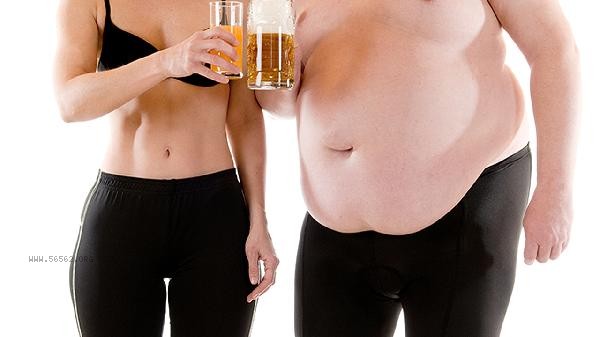
Children's weight loss should be done gradually, and the use of adult weight loss drugs or extreme dieting methods is prohibited. It is recommended that parents work together with school nutritionists and pediatricians to develop a long-term management plan, focusing on improving body fat percentage rather than just weight numbers. Daily non exercise consumption such as household chores can be increased, cultivating lifelong beneficial health habits. If complications such as sleep apnea or polycystic ovary syndrome are present, timely specialized intervention should be administered.








Comments (0)
Leave a Comment
No comments yet
Be the first to share your thoughts!