
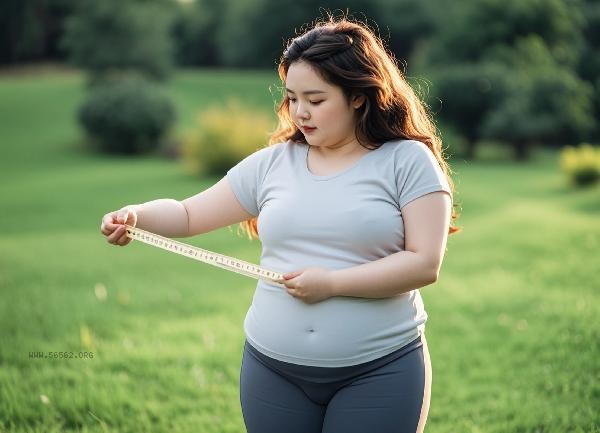
Weight loss during lactation can be achieved through reasonable diet, moderate exercise, and other methods, while ensuring the quality of breast milk and one's own health. Weight loss during lactation requires a balance between nutritional supply and calorie control, avoiding excessive dieting or vigorous exercise that can affect milk secretion.
1. Reasonable diet
breastfeeding women need to consume an additional 500 calories per day to meet their lactation needs. It is recommended to choose high protein, high dietary fiber, and low glycemic index foods. It can increase the intake of high-quality protein such as fish, eggs, and low-fat milk, paired with whole grain staple foods such as oats and brown rice, as well as dark vegetables such as broccoli and spinach. Avoid high calorie and low nutrient foods such as fried foods and desserts, and reduce intake of refined sugars and saturated fats. Eating regularly and in moderation, with 5-6 meals per day, helps stabilize blood sugar and metabolism.
2. Moderate Exercise
After 6 weeks postpartum, low-intensity exercise such as 30 minute brisk walking, postpartum yoga, or swimming can be started after evaluation by a doctor. The appropriate intensity of exercise is slight sweating and normal conversation, avoiding high impact exercise. Before and after exercise, it is necessary to replenish water and avoid exercising on an empty stomach. After breastfeeding or before exercise, it is advisable to empty the breasts appropriately to reduce discomfort. At least 1 hour after exercise, stop breastfeeding to prevent lactic acid from affecting the taste of breast milk in the short term.
3. Lifestyle Habits
Ensure 7-8 hours of segmented sleep every day. Lack of sleep can increase cortisol levels and hinder fat breakdown. Utilize fragmented time for Kegel exercises or abdominal breathing training to assist in the recovery of pelvic floor muscles and rectus abdominis muscles. Reduce prolonged sitting and get up and move for 5 minutes every hour. Maintaining a happy mood, excessive stress can stimulate appetite and reduce metabolic efficiency, which can be alleviated through meditation, listening to music, and other methods.
4. Monitoring indicators
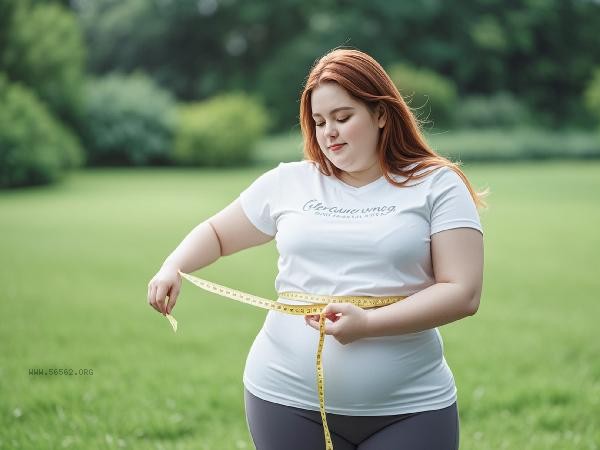
The weight loss per week should not exceed 0.5 kilograms, and regular monitoring of weight changes and infant growth curves is necessary. Observe whether the milk secretion is sufficient and whether the baby experiences frequent crying, slowed weight gain, and other abnormalities. If you experience discomfort such as dizziness and fatigue, you should immediately adjust your diet and exercise plan. Daily diet and exercise can be recorded for guidance from nutritionists or doctors.
5. Professional guidance
It is recommended to consult an obstetrician or registered nutritionist to develop a personalized plan. The daily calorie intake during lactation is generally not less than 1800 calories. If necessary, body composition analysis can be performed to avoid relying solely on weight scale data. Breastfeeding itself consumes 300-500 calories per day, and continuous breastfeeding helps with natural weight loss. Prohibit the use of weight loss drugs or meal replacement products, as certain ingredients may affect infants through breast milk.

Weight loss during lactation should be gradual, with an ideal weight loss period of 6 months to 1 year postpartum. Drink plenty of warm water and light soup in your diet, which not only increases satiety but also promotes lactation. Eat healthy snacks such as nuts and sugar free yogurt before breastfeeding to avoid excessive hunger. Carry a breast pump when going out to maintain regular breastfeeding habits and prevent breast milk from affecting exercise comfort. Regularly review blood routine and thyroid function to rule out weight retention caused by pathological factors. If there is a significant decrease in breast milk or persistent fatigue, seek medical attention promptly to adjust the plan.








Comments (0)
Leave a Comment
No comments yet
Be the first to share your thoughts!