
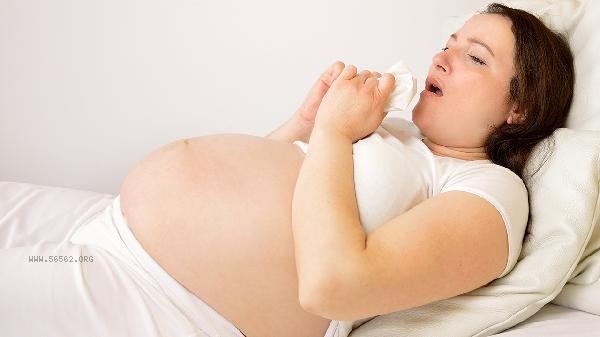
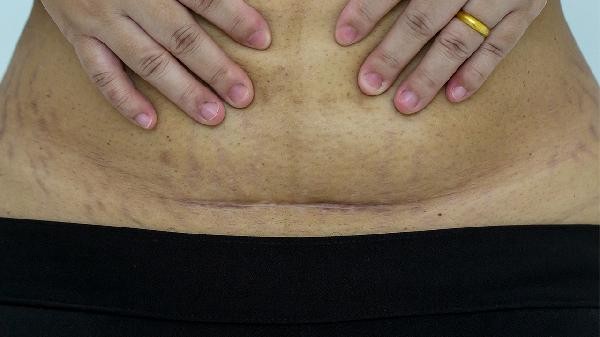
During the cesarean section and postpartum period, scientific weight loss can be achieved through adjusting dietary structure, moderate activity, breastfeeding, regular sleep patterns, psychological regulation, and other methods. Postpartum weight loss requires a balance between physical recovery and nutritional needs, avoiding excessive dieting or vigorous exercise.
1. Adjusting dietary structure
Postpartum diet should be based on the principles of high protein, high fiber, and low fat, with an appropriate increase in high-quality protein intake such as fish, eggs, and soy products, paired with dark vegetables such as broccoli and spinach. Avoid high sugar and high oil foods, and partially replace daily staple foods with whole grains such as oats and brown rice. It is recommended to increase the daily calorie intake during lactation by 500 kcal compared to before pregnancy, but the proportion of refined carbohydrates should be controlled.
2. Moderate activity
2-3 weeks after surgery, one can start standing and walking slowly by the bedside, with a daily activity time controlled at 10-15 minutes. After 4 weeks, gradually increase low-intensity training such as Kegel exercises and abdominal breathing according to the wound healing condition. It is prohibited to engage in strenuous activities such as running, jumping, and carrying heavy loads. All activities are based on the premise of not causing wound pain or increased lochia.
3. Breastfeeding
Daily breastfeeding can consume an additional 300-500 calories, promoting uterine contractions and fat metabolism. Maintain a breastfeeding frequency of 8-12 times a day and pay attention to replenishing water and calcium. If there is insufficient milk, it is advisable to increase the intake of foods such as crucian carp soup and milk in moderation to avoid weight control by reducing diet.
4. Regular sleep schedule
Ensure 7-8 hours of segmented sleep per day, and try to synchronize with the baby's sleep schedule as much as possible. Lack of sleep can lead to an increase in cortisol and affect fat breakdown, and family members can be entrusted to share the responsibility of breastfeeding at night. Avoid prolonged lying down during the day and improve blood circulation by getting up and exercising for 5 minutes every hour.
5. Psychological regulation
Accepting postpartum body shape changes requires time to recover and avoid anxiety caused by daily weighing. You can relax through meditation, music, and communicate with your partner to share parenting pressure. If there is persistent low mood, one should be alert to postpartum depression and seek professional psychological support in a timely manner. During the postpartum period, it is advisable to lose weight at a rate of 0.5 kilograms per week. After a 6-week follow-up to confirm uterine recovery, gradually increase the intensity of exercise. During lactation, the use of weight loss drugs or meal replacements is prohibited, and the daily water intake should not be less than 2000 milliliters. It is recommended to record diet and exercise, regularly communicate with obstetricians to adjust the plan, and avoid affecting wound healing or milk secretion due to weight loss. The first six months after childbirth is a critical period for scientific shaping, and it is necessary to establish long-term healthy lifestyle habits.








Comments (0)
Leave a Comment
No comments yet
Be the first to share your thoughts!