
It is not recommended to intentionally lose weight during pregnancy, but the rate of weight gain can be controlled through scientific dietary management and moderate exercise. Weight management during pregnancy should be carried out under the guidance of a doctor to avoid affecting fetal development.
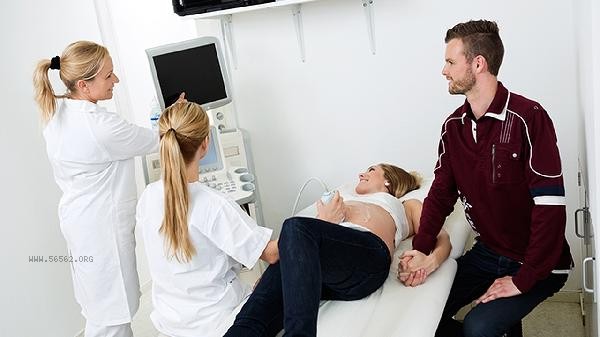
1. Adjust dietary structure
Increase the intake of high-quality protein such as fish and eggs, choose whole grains instead of refined carbohydrates, and ensure 500 grams of fresh vegetables and fruits per day. Adopt a small quantity multi meal mode, avoid high sugar and high-fat snacks, and use sugar free yogurt or nuts as an additional meal. Pay attention to supplementing key nutrients during pregnancy such as folate, iron, and calcium.
2. Moderate Aerobic Exercise
After stable mid pregnancy, low-intensity aerobic exercise can be performed, such as a 30 minute walk, yoga or water fitness for pregnant women, 3-5 times a week. During exercise, keep your heart rate below 140 beats per minute and avoid jumping, lying down, and abdominal compression movements. Stop immediately if symptoms such as uterine contractions and dizziness occur.
3. Monitor weight changes
Control weight gain within 2 kilograms in early pregnancy and 0.3-0.5 kilograms per week in mid to late pregnancy. Regularly use a body fat scale to record data, combined with prenatal ultrasound to evaluate fetal development. Sudden weight loss or rapid growth requires medical attention.

4. Improve metabolic levels
Ensure 7-8 hours of sleep per day and avoid staying up late which affects leptin secretion. A 15 minute walk after meals helps stabilize blood sugar. Pregnant diabetes patients need to strictly follow the doctor's instructions for blood sugar monitoring. Supplementing probiotics appropriately to maintain the balance of gut microbiota.
5. Professional medical guidance
Nutritionists can develop personalized dietary plans, and rehabilitation physicians can design safe exercise plans. When pregnancy is complicated with obesity or diabetes, it needs to be managed by the endocrine department. Do not use weight loss drugs or meal replacement products on your own.

Weight management during pregnancy should focus on balanced nutrition rather than weight loss. Weigh once a week and keep a diet and exercise diary. Choose loose and breathable maternity clothing to avoid affecting the willingness to move due to clothing discomfort. Maintain a happy mood, communicate with obstetricians, and obtain professional evaluation before implementing any weight loss plan. After 6 weeks postpartum, if there are no abnormalities, consider gradually restoring pre pregnancy weight.








Comments (0)
Leave a Comment
No comments yet
Be the first to share your thoughts!