
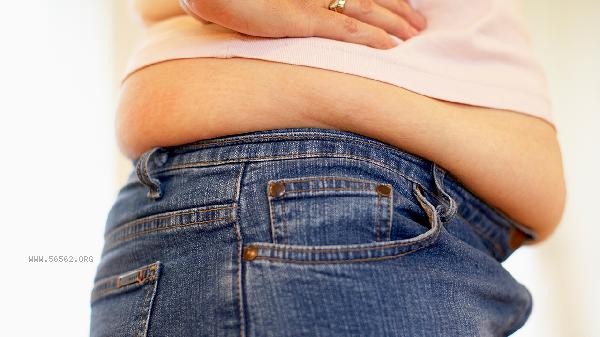
Losing weight and having a large belly can be achieved through adjusting diet, increasing exercise, improving lifestyle habits, controlling stress, medical intervention, and other methods. Abdominal fat accumulation is usually related to factors such as excess calories, prolonged sitting, hormonal imbalances, genetic factors, and disease influences.
1. Adjust diet
Reduce the intake of refined carbohydrates and added sugars, and choose foods rich in dietary fiber such as whole grains, vegetables, and fruits. Moderate increase in intake of high-quality protein such as lean meat, fish, and soy products can help increase satiety and maintain muscle mass. Avoid high-fat and high salt processed foods, control daily total calorie intake, and recommend using small portions with multiple meals.
2. Increase Exercise
Aerobic exercise such as brisk walking, swimming, cycling, etc. can effectively burn calories. It is recommended to engage in 150 minutes of moderate intensity aerobic exercise per week. Combining resistance training such as plank support and abdominal curling can enhance the core muscle group and improve abdominal muscle tension. High intensity interval training has a significant effect on reducing visceral fat, but it needs to be gradually adjusted according to individual abilities.
3. Improve lifestyle habits
Ensure 7-9 hours of high-quality sleep every day. Lack of sleep can lead to a decrease in leptin and an increase in ghrelin. Avoid prolonged sitting, get up and move for 5 minutes every hour, and choose non exercise activities such as walking and climbing stairs in daily life. Quit smoking and limit alcohol consumption. Alcohol can inhibit fat metabolism and contains 7 calories per gram of alcohol.

4. Control Stress
Long term stress can lead to an increase in cortisol levels and promote abdominal fat accumulation. Stress can be relieved through meditation, deep breathing, yoga, and other methods. Cultivate interests and hobbies, maintain a positive and optimistic attitude, and avoid emotional eating. If necessary, seek psychological counseling assistance.
5. Medical Intervention
For individuals with a BMI exceeding 32.5 or accompanied by metabolic disorders, medication such as Orlistat capsules may be considered under the guidance of a doctor. Severe obese patients can choose weight loss surgery such as laparoscopic sleeve gastrectomy after evaluation. Endocrine disorders such as hypothyroidism require targeted treatment, while patients with polycystic ovary syndrome require comprehensive management. Reducing abdominal fat requires long-term adherence to a healthy lifestyle and avoiding muscle loss and rebound caused by rapid weight loss. It is recommended to record diet and exercise, and regularly measure waist circumference and body fat percentage. Cooking often uses low oil methods such as steaming and stewing, and when dining out, choose light dishes. Maintain a regular daily routine, avoid staying up late, and refrain from eating for 3 hours before bedtime. If there is unexplained weight gain or difficulty in losing weight, it is necessary to seek medical attention promptly to investigate potential diseases.









Comments (0)
Leave a Comment
No comments yet
Be the first to share your thoughts!