
Women can achieve healthy weight loss and shaping during their menstrual period by adjusting their diet, moderate exercise, supplementing with iron, ensuring adequate sleep, and managing their emotions. During menstruation, the body's metabolism and energy consumption may change due to fluctuations in hormone levels. Reasonably utilizing this physiological characteristic can help with scientific weight loss.
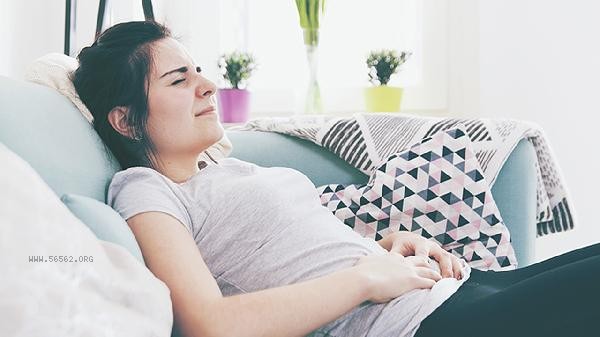
1. Adjust dietary structure
During menstruation, it is recommended to increase the intake of high-quality protein and complex carbohydrates, such as eggs, fish, oats, etc., which can help maintain blood sugar stability and reduce overeating. Avoiding high salt and high sugar foods can alleviate edema symptoms, and increasing daily intake of 300-500 milliliters of warm water can promote metabolism. Moderate supplementation of dark chocolate or nuts can alleviate the craving for sweets during menstruation.
2. Moderate exercise
Low intensity exercise such as yoga and walking can be chosen for the first three days of menstruation, and gradually resume aerobic exercise such as brisk walking and swimming in the later stage. It is advisable to control the exercise time between 30-45 minutes and avoid handstands or abdominal compressions. Using sanitary tampons during exercise can improve comfort, and it is important to replace sanitary products and replenish electrolytes promptly after exercise.
3. Supplementing Iron
Menstrual bleeding may lead to iron loss. Eating iron rich foods such as beef, spinach, and pork liver in moderation, combined with citrus fruits with high vitamin C content, can promote absorption. When obvious fatigue occurs, follow the doctor's advice to take ferrous succinate tablets or polysaccharide iron complex capsules to avoid affecting absorption efficiency when taken with calcium supplements.
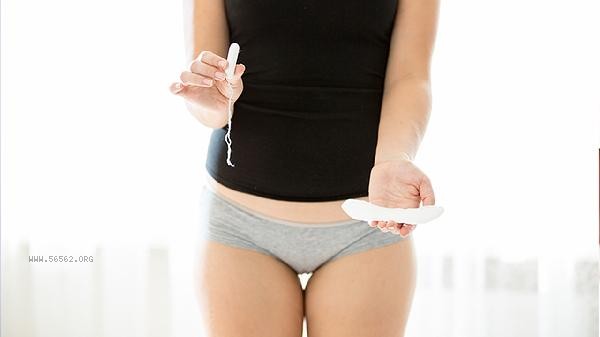
4. Ensure adequate sleep
Elevated body temperature during the luteal phase may affect sleep quality. It is recommended to maintain a bedroom temperature of 20-22 degrees Celsius and stop using electronic devices one hour before bedtime. When melatonin secretion is disrupted, you can try lavender essential oil aromatherapy or listening to white noise to help sleep. Ensuring 7-8 hours of sleep every day helps with the normal secretion of leptin.
5. Managing Emotions
Decreased estrogen levels during menstruation can easily cause emotional fluctuations, and stress can be relieved through mindfulness meditation, diary writing, and other methods. When cortisol levels rise, avoid releasing emotions through overeating and choose to take a hot bath or massage your temples to relax. Severe premenstrual anxiety can be treated with soothing agents such as St. John's wort extract tablets by consulting a doctor. During menstruation, weight loss should avoid extreme dieting or vigorous exercise, and differentiated strategies can be adopted at different stages of the cycle. One week after the end of menstruation is the golden period for weight loss, and it is advisable to increase the intensity of exercise appropriately. It is recommended to record changes in basal body temperature and menstrual symptoms. If severe dysmenorrhea or abnormal bleeding occurs, immediately stop the weight loss plan and seek medical attention. Long term weight loss should be planned based on the characteristics of the entire menstrual cycle, and combined with body fat percentage monitoring for a more scientific approach.








Comments (0)
Leave a Comment
No comments yet
Be the first to share your thoughts!