
After successful weight loss through exercise, weight can be maintained by adjusting diet structure, maintaining regular exercise, monitoring weight changes, managing stress sleep, and establishing long-term goals. Weight rebound is usually related to metabolic adaptation, behavioral laxity, hormonal changes, and other factors.
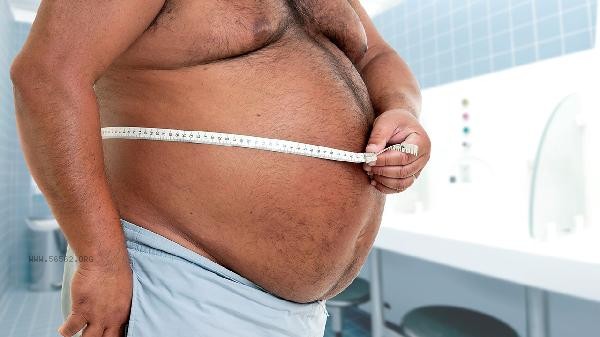
1. Adjust dietary structure
Reduce refined carbohydrates intake and increase the proportion of high-quality protein and dietary fiber. The recommended daily vegetable intake is 300-500 grams, with priority given to low glycemic index foods such as broccoli and spinach. Avoid high oil and high salt processed foods and replace some white rice and flour with miscellaneous grains. 1-2 moderate cheat meals can be arranged per week to help stabilize metabolism, but total calories need to be controlled.
2. Maintain regular exercise
Engage in 150-300 minutes of moderate intensity aerobic exercise per week, such as brisk walking, swimming, or cycling. Combining 2-3 resistance training sessions to maintain muscle mass, it is recommended to perform compound movements such as squats and plank supports. The intensity of exercise may be slightly lower than during the weight loss period, but the frequency should not drop sharply. Increase non physical activity consumption in daily life, such as walking commuting, standing office, etc.
3. Monitor weight changes
Measure weight 1-2 times a week at fixed times, with a fluctuation range controlled within 1-2 kilograms. Record diet and exercise logs, and use a body fat scale to monitor muscle fat ratio. When the weight continues to increase by more than 3%, the cause should be analyzed in a timely manner and the plan adjusted. Avoid anxiety caused by short-term fluctuations and focus on long-term trends rather than single day data.

4. Managing Stress Sleep
Elevated cortisol promotes fat accumulation, ensuring 7-9 hours of high-quality sleep per day. Relieve stress and avoid emotional eating through meditation, deep breathing, and other methods. Lack of sleep can lead to an increase in ghrelin levels. It is recommended to go to bed before 22:00 and maintain a regular daily routine. If necessary, psychological counseling or mindfulness training can be provided.
5. Establish long-term goals
Integrate weight management into lifestyle rather than short-term tasks, and set non weight related goals such as improving athletic performance. Join the fitness community for support, regularly update training plans to keep them fresh. Accept natural weight fluctuations and focus on improving overall health indicators. Cultivate a positive understanding of the body and avoid extreme dieting or excessive exercise. During the maintenance phase, daily calorie intake can increase by 200-300 calories compared to the weight loss phase, gradually finding a personal balance point. Pay attention to supplementing vitamin D and calcium, and women should pay special attention to iron intake. The main cooking method is steaming and stewing, and light dishes are preferred when dining out. Develop a habit of drinking water before meals and chew slowly while eating to enhance satiety. Regular physical examinations should be conducted to pay attention to metabolic indicators. When encountering plateau periods, professional nutritionists can be consulted to adjust the plan.









Comments (0)
Leave a Comment
No comments yet
Be the first to share your thoughts!