
The key to maintaining freshness in selling vegetables is to control water loss, inhibit respiration, and avoid microbial contamination. There are five main methods: low-temperature refrigeration, moderate water spraying, avoiding squeezing, reducing light exposure, and timely sorting.
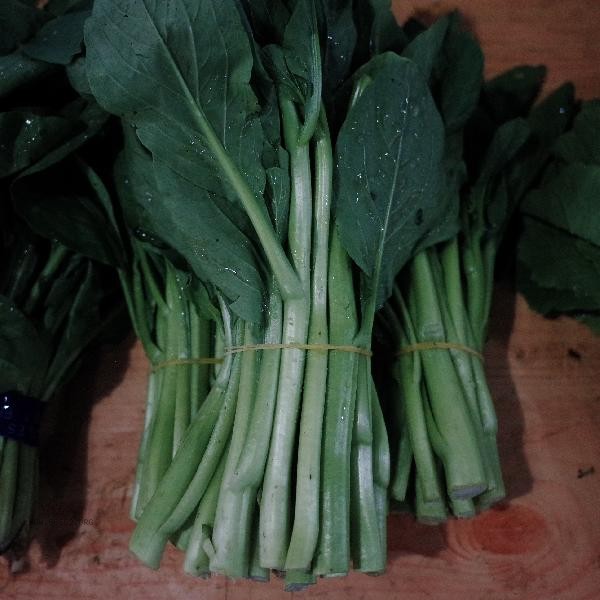
1. Refrigeration preservation
Storing vegetables in a refrigerated environment at 0-4 degrees Celsius can effectively delay metabolism. When wrapping with a fresh-keeping bag, it is necessary to leave ventilation holes to prevent condensation from accumulating and causing decay. Vertical storage of leafy vegetables can reduce mechanical damage, while rhizomes need to be dried of surface moisture and refrigerated. Supermarkets can use air curtain cabinets to maintain a constant low temperature, and vendors suggest covering with wet towels combined with ice packs to cool down.
2. Water management
Intermittent spray is used to maintain 80% -90% of the ambient humidity. Direct spraying is prone to decay. Celery and other stems can be soaked in water for 1-2 centimeters at the base, while leafy vegetables such as spinach need to be stored away from water. It is safer to wrap with damp coarse cloth during transportation than to soak it directly in water. It is important to change the moisturizing material every 4 hours to prevent bacterial growth.
3. Anti pressure and Loss Reduction
Plastic turnover boxes placed in layers reduce 30% of collision damage compared to woven bags. The basket of fluffy vegetables such as chrysanthemum shall not exceed two-thirds of the container height, and food grade foam nets shall be used for protection of easily broken varieties such as oilseed vegetables. Regularly flip the goods during display and promptly remove the crushed leaves to block the ethylene ripening effect.
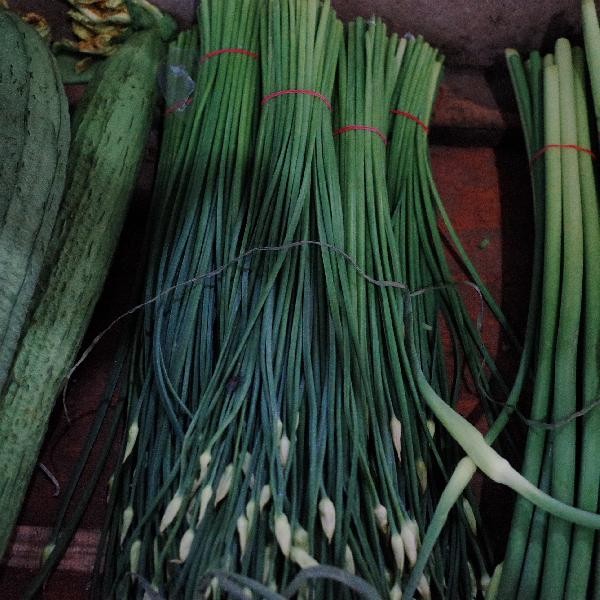
4. Avoid light treatment
Ultraviolet rays can accelerate chlorophyll decomposition and cause yellowing. It is recommended to cover with green or red shading cloth. Broccoli and other cauliflower are sensitive to light, and dark environments can delay flowering. When storing at night, turn off the spotlights. LED lighting is less likely to cause vegetables to heat up than fluorescent lights.
5. Sorting and trimming
Check and remove yellowed and old leaves every 6 hours, and disinfect tools with alcohol when removing rotten stems. The concentration of ethylene gas produced by the decaying part reaches 0.1ppm, which accelerates the deterioration of surrounding vegetables. Timely isolation of damaged products can extend the overall shelf life by 2-3 days. Wear food grade gloves when organizing to avoid secondary contamination.
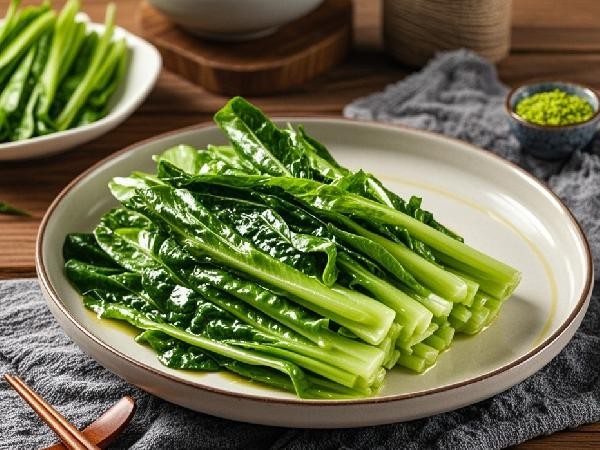
It is recommended to establish a full process cold chain from procurement to sales, with pre cooling treatment immediately after early morning purchase. Choosing storage tolerant varieties such as Shanghai green has a shelf life 1-2 days longer than ordinary rapeseed, and selling them in combination with root vegetables and leafy vegetables can balance the loss rate. Regularly wipe the shelves with diluted white vinegar for sterilization. Consumers are advised to wrap them in kraft paper for refrigeration after purchase. Root vegetables should be kept with a small amount of soil for better preservation. Pay attention to the differences in respiratory intensity among different vegetables, and high breathing vegetables such as spinach should be stored separately.








Comments (0)
Leave a Comment
No comments yet
Be the first to share your thoughts!