
Keeping crabs at home for a few more days requires maintaining appropriate water quality, temperature, and humidity, as well as providing sufficient food and oxygen. There are mainly methods to control water temperature, maintain clean water quality, provide appropriate food, avoid direct sunlight, and reduce disturbance.
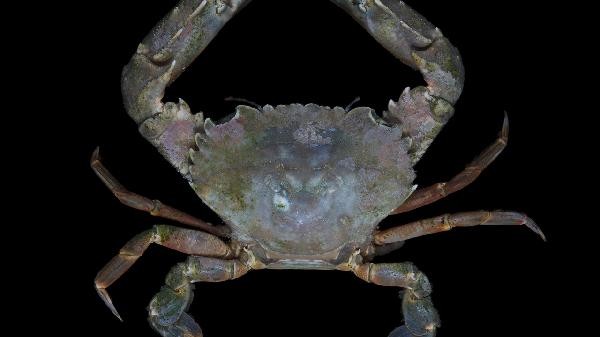
1. Control water temperature
Crabs are sensitive to water temperature, and the suitable water temperature range is usually between 15-25 degrees Celsius. You can use a constant temperature device or place it in a cool place to maintain stable water temperature. High water temperature can accelerate crab metabolism and shorten survival time, while low water temperature may reduce crab activity and affect feeding.
2. Keep the water clean
Regular replacement of water is the key to keeping the water clean. It is recommended to replace some water or use filtration equipment every day. Residual food and excrement in water can easily breed bacteria, leading to deterioration of water quality and affecting the health of crabs. When using tap water, it is necessary to let it stand in advance to remove chlorine gas and avoid causing harm to crabs.
3. Provide appropriate food
Crabs can be fed with small fish, shrimp, vegetables, aquatic plants, and other foods. Pay attention to controlling the feeding amount to avoid contaminating the water quality with leftover food. Food should be fresh and diverse to meet the nutritional needs of crabs. Avoid feeding too much meat to prevent rapid deterioration of water quality.
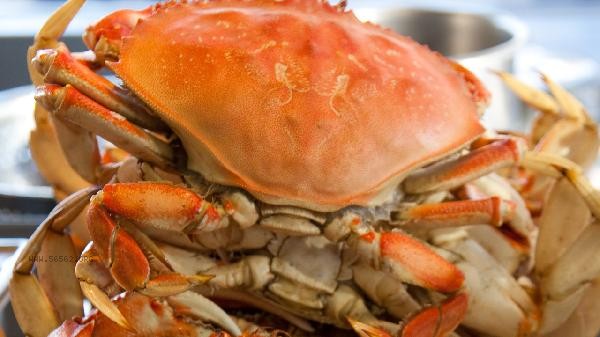
4. Avoid direct sunlight
Crab farming environment should avoid direct sunlight, as exposure to sunlight can cause water temperature to rise and dissolved oxygen in the water to decrease. You can place the container in a cool and ventilated place, or use a blackout cloth to block strong light. Simultaneously maintain environmental humidity to prevent crab dehydration.
5. Reduce disturbance
Frequent movement or disturbance of crabs can increase their stress response and affect their survival time. Try to minimize contact and movement with crabs and maintain a quiet and stable environment. If observation is required, the movements should be gentle and slow, avoiding sudden sounds or vibrations. When raising crabs at home, in addition to paying attention to the above points, it is also necessary to regularly observe the activity and health status of the crabs. When crab activity decreases or appetite decreases, it is necessary to promptly check whether the water quality and temperature are suitable. Short term farming is not recommended to exceed one week. If long-term farming is needed, it is recommended to use professional equipment and techniques. Crabs belong to high protein foods and are prone to bacterial growth after death. Dead crabs should not be consumed to avoid food poisoning.









Comments (0)
Leave a Comment
No comments yet
Be the first to share your thoughts!