
Whether soybean milk is ripe can be confirmed by observing the foam subsides, smelling the beany smell disappears, and detecting the temperature to reach the boiling point to continue boiling. Uncooked soybean milk contains harmful substances such as saponins, which may cause toxic reactions such as nausea and vomiting.

At the initial stage of heating, soybean milk will produce a lot of foam, which is a normal phenomenon of saponin expansion when heated. As the temperature rises to 100 ℃, the foam will gradually collapse and reduce. When the foam layer drops to less than one-third of the original height, it usually indicates that saponins have been basically decomposed. At this point, it is necessary to adjust the heat to low and continue boiling for 8-10 minutes to ensure that anti nutritional factors such as trypsin inhibitors are fully destroyed. The food thermometer can be inserted into the center of soybean milk for measurement. The standard of ripeness is when the temperature reaches 100 ℃ under continuous boiling condition and remains for more than 5 minutes.
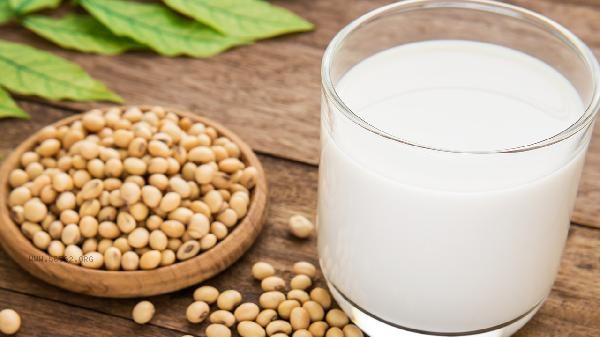
Some household soybean milk machines have false boiling. When the temperature sensor detects about 80 degrees Celsius, it stops heating. At this time, although the soybean milk surface appears foam, it is not completely boiling. Suggest extending the heating time in manual mode or transferring to the stove for reheating after boiling. Under special circumstances, soybean milk may be heated unevenly due to the sedimentation of soybean dregs, so it is necessary to fully stir to make the temperature of the upper and lower layers consistent, and avoid using too many defoamers to cover the immature state.

Simple test can be carried out before drinking: take a small amount of soybean milk and drop it on the back of the ceramic spoon. Ripe soybean milk will form a uniform film, while immature soybean milk will quickly disperse. Cooked soybean milk should be cooled to below 7 ℃ quickly and stored in cold storage for no more than 24 hours. People with weak gastrointestinal function and children are advised to choose commercial aseptic packaging soybean milk. Home made soymilk should be kept at 100 ℃ for at least 10 minutes after boiling to completely inactivate heat labile toxins such as phytohemagglutinin that may remain.








Comments (0)
Leave a Comment
No comments yet
Be the first to share your thoughts!