
Improving the strength of tofu can be achieved by adjusting the production process, adding coagulants, controlling temperature, and other methods. The main methods include selecting high protein soybeans, adjusting the proportion of coagulants, optimizing pressing time, controlling coagulation temperature, and adding natural thickeners.
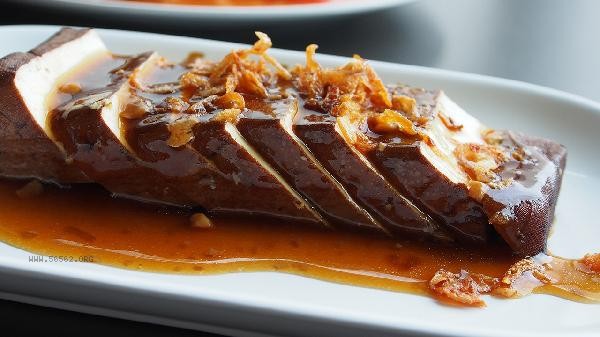
1. When making tofu, choosing soybean varieties with high protein content is crucial. High protein soybeans can form a tighter mesh structure during the solidification process, thereby enhancing the elasticity and toughness of tofu. It is recommended to choose high-quality soybeans with a protein content of over 40%, as the tofu made from these soybeans has a tighter texture. When soaking soybeans, attention should be paid to the time and water temperature, usually 6-8 hours in summer and 10-12 hours in winter, to ensure sufficient water absorption and expansion.
2. Adjusting the ratio of coagulants
The type and amount of coagulants directly affect the strength of tofu. Tofu made from traditional gypsum powder has a softer texture, while tofu made from salt brine or gluconic acid lactone has a stronger texture. You can try mixing gypsum with brine in a certain proportion to ensure solidification effect and enhance tofu elasticity. The amount of coagulant added is generally 2% to 3% of the weight of soybeans. Too much can cause tofu to harden, while too little can make it difficult to form.
3. Optimize pressing time
Pressing is a key step in determining the texture of tofu. Short pressing time can cause tofu to have high moisture content and become soft, while long pressing time may make tofu too tight. It is generally recommended to press the bean curd jelly served with sauce with a heavy object for about 15-30 minutes after molding, and the pressure gradually increases. Squeezing old tofu requires longer time and greater pressure, while tender tofu can be reduced appropriately. During the squeezing process, attention should be paid to maintaining uniform force to avoid deformation of tofu chunks.
4. Controlling the setting temperature
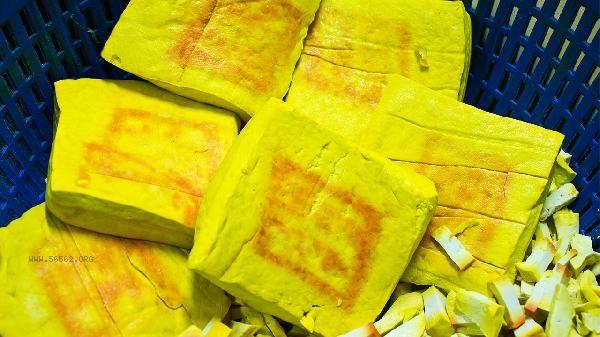
The temperature when soybean milk is solidified has a significant impact on the stiffness of tofu. The optimal solidification temperature is usually between 70-85 degrees Celsius. If the temperature is too high, it will cause excessive denaturation of proteins, resulting in rough tofu; If the temperature is too low, the solidification will not be complete. To maintain temperature stability during the grouting process, a thermometer can be used for real-time monitoring. The insulation time after solidification is also important, usually requiring 15-20 minutes of standing to allow the protein to fully crosslink.
5. Add natural thickening agent
Add proper amount of natural thickening agent in soybean milk to improve the strength of tofu. Common thickeners include carrageenan, konjac flour, agar, etc. These substances can interact with soy protein to enhance the elasticity and water retention of tofu. The added amount is generally 0.1% to 0.5% of the weight of soybean milk, and too much will affect the taste and flavor of tofu. Before use, the thickener should be fully dissolved and evenly mixed into soybean milk. Improving the strength of tofu requires comprehensive optimization from raw material selection to production process. When consumed in daily life, tofu with moderate strength is more suitable for frying and stewing, as it can maintain a good shape. For people with weak digestive function, tofu with slightly softer texture can be chosen appropriately. Pay attention to hygiene conditions and avoid contamination during the production process. When storing tofu, soak it in clean cold boiled water and refrigerate it in the refrigerator. Changing the water every day can extend the shelf life. Reasonable combination with other ingredients, tofu can provide high-quality protein and various nutrients, and is an important component of a healthy diet.








Comments (0)
Leave a Comment
No comments yet
Be the first to share your thoughts!