
The identification of whether mushrooms are toxic requires a comprehensive judgment based on their morphological characteristics, growth environment, and professional tools. Common methods include observing the color and shape of the mushroom cap, checking the arrangement of gills, testing discoloration reactions, avoiding picking unknown varieties, and using professional reference materials. Eating poisonous mushrooms by mistake may cause liver and kidney damage or even death. Do not rely solely on experience to make a judgment.
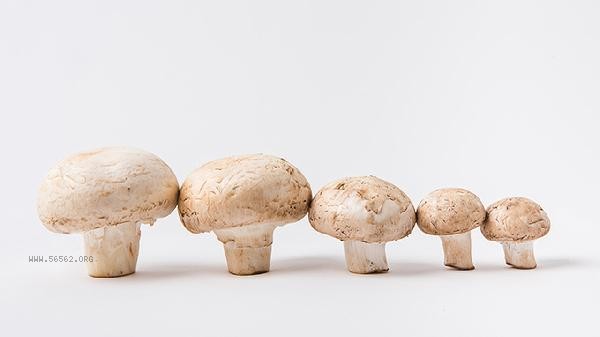
1. Morphological characteristics
Poisonous mushrooms often have bright caps or abnormal spots, and some species have fluorescent or metallic caps. Wild mushrooms with white or pale yellow gills should be cautious, as most highly toxic Amanita species exhibit this characteristic. The enlargement of the stem base into a spherical or cup-shaped support structure is a typical feature of the deadly white umbrella, and varieties with both the fungal ring and support have extremely high risks.
2. Growth Environment
Luminous mushrooms grown on decaying wood often contain toxins, such as the poisonous fly umbrella commonly found in pine forests. Some of the devil's umbrella genus in fecal mushrooms contains devil's pen toxin, while some boletus fungi symbiotic in the roots of oak trees may accumulate heavy metals. The clustered small cap varieties growing near damp sewers often have neurotoxicity.
3. Chemical Testing
Professional collectors can equip mushroom identification kits for color change testing, such as dilute sodium hydroxide solution that can turn the meat of Amanita mushrooms yellow. The folk tradition of blackening silverware is not reliable, and some edible fungi can oxidize and discolor when in contact with metal. In the milk contact test, some poisonous mushrooms may secrete colored milk or quickly turn blue after cutting.
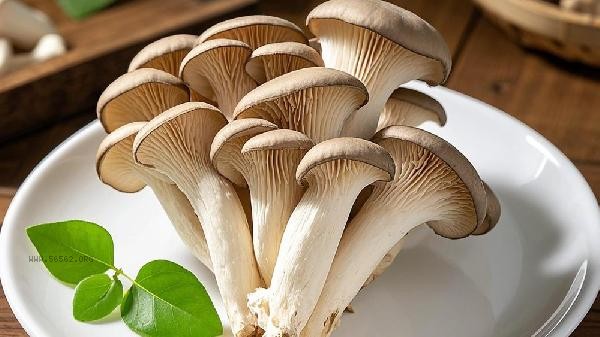
4. Professional identification
Use authoritative mushroom guidebooks to compare the color of spore marks. Wild mushrooms with white spore marks should be particularly cautious. A portable microscope can distinguish between highly toxic and edible mushrooms by observing spore morphology, and professional institutions can accurately identify difficult varieties using DNA barcode technology. The error rate of smartphone recognition software is relatively high and cannot be used as the sole basis for judgment.
5. Risk avoidance
Do not pick any young mushrooms that have not yet bloomed. Highly toxic varieties are very similar to edible mushrooms in the immature stage. Avoid collecting varieties of mushroom meat that are fragile or emit chemical odors. Some poisonous mushrooms may release odors similar to almonds or radishes when broken. Never consume unfamiliar mushroom varieties that have not been confirmed by two or more experts.
After coming into contact with suspicious mushrooms, immediately wash your hands with soapy water. If ingested, keep the sample and seek medical attention immediately. Daily learning of common poisonous mushroom maps in the local area and participation in professional collection training courses. Before cooking wild mushrooms, blanch them in boiling water and discard the broth. Some toxins can be decomposed at high temperatures, but there is still a risk of residue. Children, pregnant women, and individuals with liver and kidney dysfunction should completely avoid consuming wild mushrooms, and choose products with quarantine labels when purchasing mushrooms in the market.








Comments (0)
Leave a Comment
No comments yet
Be the first to share your thoughts!