
Identifying whether mushrooms are edible requires a combination of morphological characteristics, growth environment, and professional identification. Consuming poisonous mushrooms by mistake may lead to serious poisoning or even death. There are mainly five methods: observing the color of the cap, checking the morphology of the gills, identifying the characteristics of the stem, confirming the growth environment, and seeking professional identification.
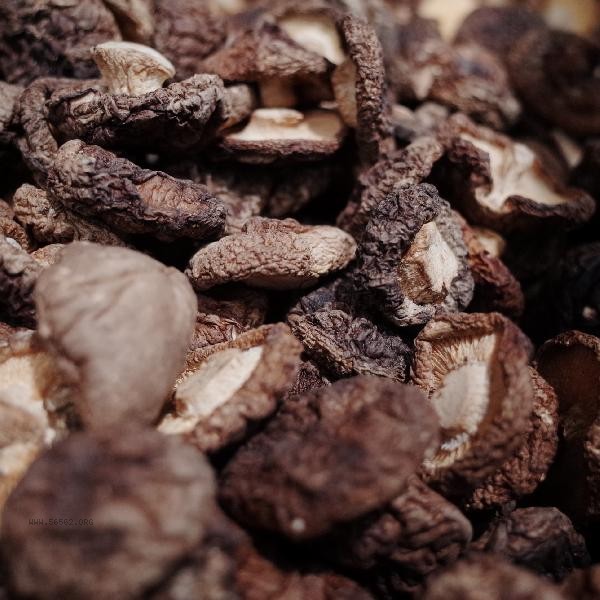
1. Observe the color of the mushroom cap
Poisonous mushrooms often appear bright red, orange, or purple, which have a warning effect in nature. Edible mushrooms are mostly in low-key colors such as white, brown, or gray. However, color is not an absolute criterion for judgment, and some poisonous mushrooms may also present a common color, which needs to be comprehensively judged in combination with other characteristics.
2. Check the morphology of gills
White gills are one of the typical characteristics of poisonous mushrooms, especially when they are young and appear white. The gills of edible mushrooms are often pink or brown in color. When observing, gently flip the mushroom, pay attention to the color change of the gills, and avoid directly touching unknown mushrooms.
3. Distinguishing the characteristics of the mushroom stem
Poisonous mushrooms often form cup-shaped or sac like structures at the base of the stem, known as fungal trays. Edible mushrooms usually do not have this structure. When inspecting, the mushrooms should be completely dug out and observed for any special wrapping at the base. The scales and circular structures on the surface of the fungal stem also need to be carefully inspected. 4. Confirm that mushrooms grown in special environments such as decaying wood and animal feces have a higher probability of toxicity. Edible mushrooms often grow on clean grass or forest surfaces. However, there are exceptions to environmental judgment, as some edible fungi also grow on special substrates and cannot be used as a sole basis for judgment. The most reliable way to seek professional identification is to consult mycology experts or use professional reference books for comparison. The folk methods for detecting silver needle blackening and garlic discoloration have no scientific basis. When collecting unknown mushrooms, they should be kept in their intact form and promptly sent to professional institutions for testing. Do not take the risk of trying them out.
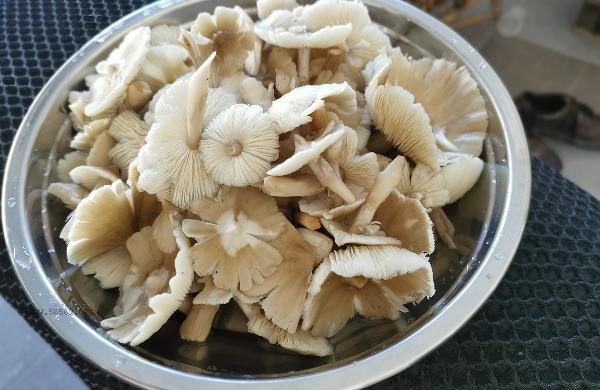
Daily mushroom consumption requires the establishment of multiple verification mechanisms, and a single feature cannot ensure safety. It is recommended that beginners purchase edible mushrooms from legitimate channels in the market and bring professional guidance manuals when collecting them in the wild. In case of accidental ingestion, the sample should be immediately retained and sent to the hospital for timely gastric lavage and detoxification. Maintaining a reverence for nature and not blindly confident is the fundamental principle for preventing mushroom poisoning. Establishing a scientific identification system requires long-term learning and practical accumulation, and participation in professional training courses when necessary.








Comments (0)
Leave a Comment
No comments yet
Be the first to share your thoughts!