
Waxed fruits can be identified by observing surface glossiness, tactile sensation, smelling odors, wiping tests, and checking the condition of the fruit stem. Fruit waxing is divided into two types: edible wax and industrial wax. Legitimate edible wax is harmless to the human body, but industrial wax may contain harmful substances.
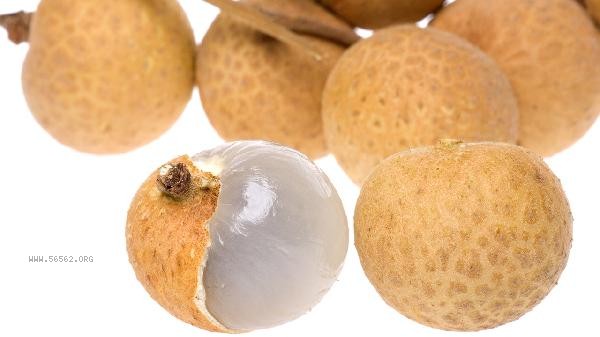
1. Observe glossiness
Waxed fruits usually exhibit an unnatural reflective effect on the surface, with a significantly higher glossiness than unpolished fruits. Natural ripe fruits have a soft and even luster on their skin, while fruits that have been artificially waxed may exhibit strong local reflections or a plastic like overall luster. Common waxed fruits such as apples and citrus fruits appear exceptionally bright under lighting.
2. Touch and feel
Gently stroke the fruit skin with your hand. Waxed fruits may appear too smooth or even greasy to the touch, and some industrial waxes may produce a slight sticky feeling. Unwaxed fruits have a natural texture on their skin, citrus fruits have subtle bumps and depressions, and apple skin has a natural astringency of fruit powder.
3. Smell
Place the fruit close to the nose and lightly smell it. Waxed fruits may emit a slight chemical or waxy odor, especially those treated with industrial wax. Naturally ripe fruits emit a unique fruity aroma, while citrus fruits release volatile aromatic compounds when their skin is compressed.

4. Wipe Test
Use a tissue to vigorously wipe the fruit skin. Waxed fruits will leave semi transparent wax marks on the tissue, and after repeated wiping, the skin color may become lighter. The residue of edible wax appears as a white powder, while industrial wax may produce yellow or gray marks. Unwaxed fruits will only remove a small amount of natural fruit powder.
5. Check the condition of the fruit stem
The stem area of waxed fruits usually has a thick wax layer, which may result in wax accumulation or abnormal color. The stem of fresh fruits should be in a naturally withered state, and there should be no artificial covering at the connection with the fruit. Some merchants intentionally apply wax to the fruit stem to cover up any signs of freshness.

When purchasing fruits, choose products with natural skin and fruity aroma. You can rinse with warm water or peel and wax the fruits. China allows the use of prescribed edible waxes such as palm wax, insect glue, etc. for fruit preservation treatment. These food grade waxes are safe and harmless when used in reasonable amounts. If a fruit is found to have a pungent odor or abnormal color, it is recommended to avoid consumption. Consuming fresh fruits of various colors on a daily basis can help supplement vitamins and dietary fiber, but it is important to thoroughly clean any wax or pesticides that may remain on the surface.








Comments (0)
Leave a Comment
No comments yet
Be the first to share your thoughts!